


 Member
 Dr. Gajanan
MemberForum Replies Created
-

The accumulation of fluid in a bird’s abdomen, often referred to as “water belly” or ascites, is likely due to a combination of factors related to their environment and physiology. Rapid growth rates, especially in broilers, can strain their cardiovascular and respiratory systems, leading to fluid buildup. Poor ventilation, which reduces oxygen availability, and high salt or protein intake can also contribute to the condition. Additionally, stress from factors like cold temperatures, ammonia buildup, or poor hygiene can exacerbate the problem
-
To remove husks from soybeans, you can either soak them in water for a short period and then rub them to loosen the skins, or use a food processor with a blunt blade for a quicker method. For edamame, you can peel them by pushing towards the seam of the pod.
-
The purpose of the extrusion process is to create continuous lengths of material with a consistent cross-sectional shape. It involves forcing a material (like plastic or metal) through a die, which has a specific shape, to produce a product with a uniform profile. This process is used to manufacture a wide range of products, from simple shapes like pipes and rods to more complex profiles.
-
you need to determine the number of \(18\text{\ W}\) bulbs required to achieve a specific illuminance in a poultry shed.
-
Delayed onset of egg production in broiler breeder hens can stem from several factors, including inadequate nutrition, improper lighting, stress, disease, and age-related decline. Ensuring proper nutrition, appropriate light exposure, minimizing stress, and addressing potential diseases are crucial for timely and consistent egg production.
-
Debeaking, also known as beak trimming, is crucial for laying hens to prevent harmful behaviors like cannibalism, feather pecking, and egg eating, which can lead to significant economic losses. It also helps reduce feed wastage and improve overall flock management.
-
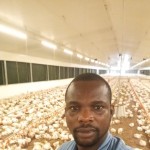
Very interesting information
-

The Ross Tech-Note “Effective Management Practices to Reduce the Incidence of Ascites in Broilers” details ascites is a multi-factorial syndrome influenced by : ventilation, air quality, temperature, growth rate, lighting and incubation.
-

🐔 Sudden Death Syndrome (SDS) in Broilers: A Nutritional and Pathophysiological Overview
Sudden Death Syndrome (SDS) is a multifactorial condition affecting fast-growing broilers, often resulting in abrupt mortality without prior clinical signs. This article synthesizes current findings on its occurrence, nutritional influences, and physiological mechanisms, offering actionable insights for prevention.
📊 Epidemiology and Susceptibility
Age Range: SDS can occur from 2–3 days to market age, with peak mortality between 21–28 days.
Sex Bias: Males are disproportionately affected (60–80% of cases), likely due to higher growth rates and hormonal influences.
Mortality Rates: Range from 0.5% to 5% in affected flocks.
🍽️ Feed Form and Composition
Texture:
Mash diets: Lower SDS incidence but reduce growth performance.
Pelleted diets: Enhance feed intake and growth but increase SDS risk.
Protein Processing:
Pelleting soybean meal may generate toxins linked to SDS.
Inclusion of meat meals may offer protective effects, though mechanisms remain unclear.
Energy Source:
Lipid-based energy (e.g., glucose, corn starch) may reduce SDS mortality.
Low-density diets outperform high-density ones in reducing SDS risk.
Wheat-based formulations are associated with higher SDS incidence compared to corn-based diets.
🧪 Nutritional Factors
🧬 Protein & Amino Acids
Protein-deficient diets may reduce SDS but compromise growth and increase fat deposition.
Excess sulfur in high-protein diets promotes acid secretion and lactic acid buildup.
Taurine deficiency may impair cardiac function, contributing to SDS.
Meat meals may contain protective, unidentified factors.
🧈 Lipids
Saturated fats reduce SDS incidence more effectively than unsaturated fats.
Sunflower oil shows lower mortality rates than tallow.
Maternal intake of n-3 PUFAs improves offspring myocardial resilience.
Melatonin supplementation may counteract light-induced suppression, reducing SDS.
Low linoleic and arachidonic acid levels impair prostaglandin synthesis, increasing susceptibility.
🍞 Carbohydrates & Lactate
Carbohydrate type significantly influences SDS via lactic acid metabolism.
Elevated LDH, GOT, and CPK levels indicate circulatory stress.
Poor cardiac and pulmonary development exacerbates lactate buildup, triggering SDS symptoms like violent flapping.
🧲 Micronutrients and Stress
🧲 Minerals
Stress elevates catecholamine and calcium levels, risking arrhythmias.
Selenium deficiency impairs antioxidant defenses.
Saturated fats may chelate magnesium, calcium, and zinc, reducing bioavailability and affecting neuromuscular function.
💊 Vitamins
Biotin deficiency (especially in wheat-based diets) may elevate SDS risk.
Excessive vitamin D3 disrupts cardiac morphology and electrophysiology, increasing SDS susceptibility.
⚠️ Stress and Pharmacological Triggers
Stress-induced arrhythmias are a major contributor to SDS, with delayed mortality post-stressor.
Ionophore anticoccidials may initiate SDS through complex pathophysiological mechanisms.
-
One of the main predisposing factors for necrotic enteritis is poor coccidiosis management. In particular, Eimeria maxima appears to be a degeminating factor in necrotic enteritis outbreaks that usually occur after 20 days of age. Therefore, a proper coccidiosis program is likely the best practice to prevent necrotic enteritis in broilers.
-

Fluid accumulation in the abdomen of birds is usually ascites syndrome, which is often associated with production systems located at high altitude (i.e., lower oxygen levels), rapid growth rate, or cold stress as young chicks. Ascites is associated with right heart failure, usually due to pulmonary hypertension when the heart is trying to pump more blood through the lungs to obtain more oxygen from the air to meet the high oxygen demands of the body. Ascites can be controlled, prevented or its incidence can be reduced by lowering the metabolic demands of oxygen. In other words, by slowing the growth rate of birds by different approached, which usually involve a reduction in the nutrient density of the diet or a restriction of feed availability, among other practices.
