 Member
 Dr. Gajanan
MemberForum Replies Created
-
1. Temperature and Environment:
Brooder Setup:
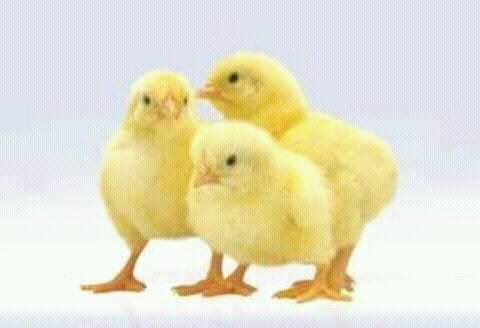
A brooder provides a safe, warm space for chicks. Use a heat lamp to maintain a temperature of about 95°F (35°C) in the first week.
Bedding:
Use absorbent bedding like paper towels, changing them frequently to keep the brooder clean and dry.
Space:
Provide enough space for the chicks to move around comfortably, and ensure proper ventilation to avoid stuffiness.
2. Nutrition:
High-Protein Starter Feed:
Offer a commercial chick starter feed with at least 18-20% protein, including essential amino acids, prebiotics, probiotics, and vitamins and minerals.
Scattering Feed:
Initially, scatter feed on clean surfaces like paper towels or egg cartons to make it easy for chicks to find.
Feeders:
Gradually introduce proper chick feeders and remove the initial scattering method once they are familiar with the feeders.
Continuous Nourishment:
Consider a continuous nourishment approach, ensuring a steady supply of balanced feed throughout the day.
3. Water and Hydration:
Fresh Water:
Provide fresh, clean water at all times. Chicks can be hesitant to drink at first, so guide them to the waterer, especially in the beginning.
Waterers:
Use appropriate waterers that are easy for chicks to access and keep clean.
Magic Water:
Consider using “Magic Water” (water with honey, apple cider vinegar, and garlic) for the first two weeks to provide extra nutrients and potential antiviral/antibiotic properties.
4. Other Important Factors:
Cleaning and Disinfection:
Regularly clean and disinfect the brooder to prevent disease and maintain a healthy environment, according to a poultry information site.
Observation:
Monitor the chicks closely for any signs of illness or stress. Check for diarrhea, lethargy, or unusual behavior.
Light:
Provide 18-22 hours of light for the first week, gradually reducing it as they grow.
Probiotics:
Consider using probiotics to boost chick health and growth, says a video about natural chick growth.
-
1. Refrigerated Eggs:
Stay fresh for: 3 to 5 weeks after the pack/purchase date
Storage temp: Around 40°F (4°C)
Best to keep them in the original carton (helps prevent moisture loss and odor absorption)
2. Room Temperature (Unrefrigerated):
Stay fresh for: 1 to 2 weeks, depending on climate
In cool, dry climates, they might last a bit longer
In warm/humid areas, spoilage is faster.
-

Olayiwola
MemberAugust 11, 2025 at 11:52 am in reply to: Stocking – Fish / Shrimp – Procedure & Important aspects to be taken careExcellent, thanks
-
The ideal water temperature for catfish depends a bit on the species, but for most commonly farmed or fished catfish (like channel catfish).
Ideal Temperature Range:
75°F to 85°F (about 24°C to 29°C)
This is the optimal range for:
Growth
Feeding activity
Overall health
-

Through community engagements
-
Environmental factors like temperature and humidity
-
The following should be considered as general information only, you should always seek professional advice, specific to your individual circumstances.
Not all hens lay eggs every day. Egg formation takes about 24-26 hours, so a hen typically lays an egg roughly once per day but the timing shifts later each day, causing occasional skipped days.
For example, according to the Hy-Line Brown conventional systems manual (https://www.hyline.com/filesimages/Hy-Line-Products/Hy-Line-Product-PDFs/Brown/BRN%20STD%20ENG.pdf) peak laying rate is 94.8–96.6%, which means about 3-5% of birds are not laying eggs daily during this period.
Furthermore, before peak production, young hens are still developing their reproductive systems. Early laying rates are lower because the hens’ ovaries and oviducts are maturing and their hormone cycles are stabilizing. Their bodies are also still growing, so energy and nutrients are partially directed to growth rather than maximum egg production.
After peak production, as hens age, their reproductive efficiency declines. The intervals between eggs lengthen, and overall egg output drops. This is linked to aging of reproductive organs, hormonal shifts, possible declines in calcium and phosphorus utilization, and often the onset of molting (feather shedding), which interrupts laying. Egg quality and shell strength may also decrease post-peak.
Additionally, other factors such as lighting, health and nutrition, stress and environment can also affect egg production.Not all hens lay eggs every day.
-

Through engagement in the community
-
Reduce energy consumption & financial losses.