

 Member
 Dr. Gajanan
MemberForum Replies Created
-

What is the ideal temperature for catfish
-

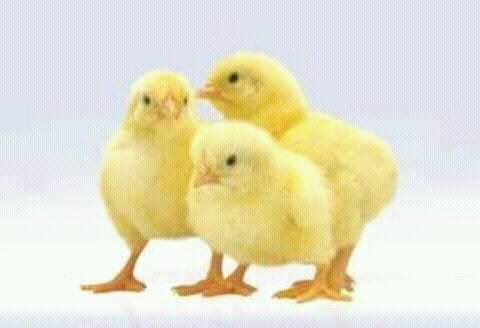
Age of chicks Brooding temperature at chick level*
0–1 week 32–35 °C (89–95 °F)
2nd week 29–32 °C (85–90 °F)
3rd week 27–29 °C (80–85 °F)
4th week 24–27 °C (75–80 °F)
5th week 21–24 °C (70–75 °F)
6th week 21 °C (70 °F)
-

In poultry farms, biofilms can have significant negative effects on both the health of the birds and the efficiency of the farm operations. Here is a breakdown of the key impacts:
* Health and Disease Transmission: Biofilms are major reservoirs for harmful bacteria such as Salmonella, E. coli, and Campylobacter, which can cause diseases in poultry. These pathogens can hide within the protective biofilm matrix in water lines, feeders, and other farm equipment. This makes them difficult to eliminate with standard cleaning and sanitizing procedures. The continuous presence of these pathogens leads to a higher risk of chronic infections, reduced flock performance, and increased mortality rates.
* Antimicrobial Resistance: Bacteria within a biofilm are up to a thousand times more resistant to antibiotics and disinfectants than free-floating bacteria. This is because the biofilm matrix acts as a shield. When antibiotics are administered through drinking water, the biofilm can absorb or alter the medication, reducing its effectiveness and potentially contributing to the development of new, antibiotic-resistant strains.
* Water System Damage and Blockages: Biofilms can build up inside water lines, clogging filters, nipples, and other parts of the drinking system. This reduces water flow and availability, which can negatively impact the birds’ water consumption, especially during hot weather. The buildup can also lead to the corrosion of pipes over time.
* Decreased Production and Economic Loss: The health issues and reduced water intake caused by biofilms can lead to lower body weight, poor feed conversion, and a decline in overall flock performance. The presence of pathogens in the farm environment can also lead to contamination of eggs and meat during processing, resulting in product spoilage and potential food safety issues for human consumers.
* Challenges in Sanitation: Because biofilms are so difficult to remove, standard cleaning and disinfection protocols are often not sufficient to eliminate them. Farmers may need to use more aggressive cleaning agents and specialized procedures, which increases labor and costs. The use of certain water additives, such as vitamins or electrolytes, can also serve as nutrients for the biofilm, making the problem worse.In poultry farms, biofilms can have significant negative effects on both the health of the birds and the efficiency of the farm operations. Here is a breakdown of the key impacts:
* Health and Disease Transmission: Biofilms are major reservoirs for harmful bacteria such as Salmonella, E. coli, and Campylobacter, which can cause diseases in poultry. These pathogens can hide within the protective biofilm matrix in water lines, feeders, and other farm equipment. This makes them difficult to eliminate with standard cleaning and sanitizing procedures. The continuous presence of these pathogens leads to a higher risk of chronic infections, reduced flock performance, and increased mortality rates.
* Antimicrobial Resistance: Bacteria within a biofilm are up to a thousand times more resistant to antibiotics and disinfectants than free-floating bacteria. This is because the biofilm matrix acts as a shield. When antibiotics are administered through drinking water, the biofilm can absorb or alter the medication, reducing its effectiveness and potentially contributing to the development of new, antibiotic-resistant strains.
* Water System Damage and Blockages: Biofilms can build up inside water lines, clogging filters, nipples, and other parts of the drinking system. This reduces water flow and availability, which can negatively impact the birds’ water consumption, especially during hot weather. The buildup can also lead to the corrosion of pipes over time.
* Decreased Production and Economic Loss: The health issues and reduced water intake caused by biofilms can lead to lower body weight, poor feed conversion, and a decline in overall flock performance. The presence of pathogens in the farm environment can also lead to contamination of eggs and meat during processing, resulting in product spoilage and potential food safety issues for human consumers.
* Challenges in Sanitation: Because biofilms are so difficult to remove, standard cleaning and disinfection protocols are often not sufficient to eliminate them. Farmers may need to use more aggressive cleaning agents and specialized procedures, which increases labor and costs. The use of certain water additives, such as vitamins or electrolytes, can also serve as nutrients for the biofilm, making the problem worse. -
Age feed disease stress and improper light control during rearing
-
Stress
Disease
Molting
Age
-
Biofilms, which are communities of microorganisms encased in a self-produced matrix, can have a wide range of negative effects, particularly in medical and industrial settings. They can lead to persistent infections, reduce the effectiveness of antimicrobial agents, and cause equipment damage. Furthermore, biofilms play a role in chronic diseases and contribute to environmental issues.
-
Heat stress in chickens, while generally detrimental, can, under certain circumstances, lead to some subtle, and often undesirable, changes in meat quality. These changes are primarily due to metabolic and physiological responses to the stress, and often result in meat that is less desirable for consumers. While some studies have shown that mild heat stress might influence fat deposition or fatty acid composition, these changes are not generally considered beneficial and are often associated with negative impacts on meat quality.
-
What is the protein content is soyabean
-
The ideal brooding temperature for day-old chicks is around 32-35°C (90-95°F). This temperature is crucial for the chicks’ comfort and well-being during their first few days, as they are unable to regulate their own body temperature.