

 Member
 Dr. Gajanan
MemberForum Replies Created
-

What is the ideal brooding temperature for day old chicks
-

No, it’s generally not safe to use just any insecticide spray in the presence of live birds within a control house. Many insecticides are toxic to birds and can cause illness or death.
-
Pullorum disease, caused by Salmonella pullorum, is primarily detected through serological tests that identify antibodies in the blood, indicating prior exposure to the bacteria. The most common method is the rapid whole-blood plate test, which can be performed in the field. Other tests, such as the rapid serum plate test, tube agglutination test, and microagglutination test, can also be used, but they require laboratory settings. Additionally, isolation and identification of the bacteria from samples like feces and internal organs can confirm the diagnosis.
-

Can we use any insecticide spray in the presence of live birds within control house.
-
How can we manage battery cage system for fatigue bird’s
-
The focus is on prevention through vaccination and strict biosecurity measures. Antibiotics may be used to manage secondary bacterial infections, but they do not affect the Newcastle Disease virus itself.
-
Heat stress in broiler chickens is influenced by a complex interplay of environmental and physiological factors. Key factors include high ambient temperature, humidity, air circulation (ventilation), and the birds’ own characteristics like body weight, feather coverage, and metabolic rate. These factors interact to affect the bird’s ability to regulate its body temperature, leading to heat stress when it cannot dissipate heat efficiently.
-
Factors affecting heat stress in broiler
-
How to treat Newcastle disease
-
Good information
-

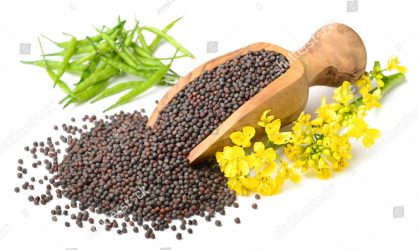
What is the difference between Rapeseed , Canola and Mustard?
-
Based on its nutrient profile, the sample appears to be poultry meal—possibly stored for an extended period, leading to oxidative rancidity since the moisture not too high. High-fat poultry by-product meal (containing around 16% fat) is particularly susceptible to rancidity, which can trigger a range of adverse effects in non-ruminants. These include diarrhea, reduced feed intake (anorexia), poor growth performance, muscle disorders (myopathy), enlarged liver (hepatomegaly), inflammation of fat tissue (steatitis), hemolytic anemia, and deficiencies in vitamins A and E.