
Poultry Disease Management and Control
Public Poultry
Public Poultry
Varied forms of poultry diseases occurs in all corners of the world. Some have regional impact... View more
Public Poultry
Organizers:
- Organized by
-
-


Group Description
Varied forms of poultry diseases occurs in all corners of the world. Some have regional impact while others affect a larger global area. They continue to cause serious losses to poultry producers on a day-to-day basis. Managing and controlling them is something that a producer must always be ready with. On larger significance, infections have caused serious restraint to international trade. The SEC community has the advantage of having members represent different geographic regions and some important emerging markets. SECs poultry community puts forth this interest group titled “Poultry disease management and control” to promote exchange of information that would help community members learn from each other’s experiences. Come, join this interest group, and share your experiences and views.
Poultry disease and management
-
-

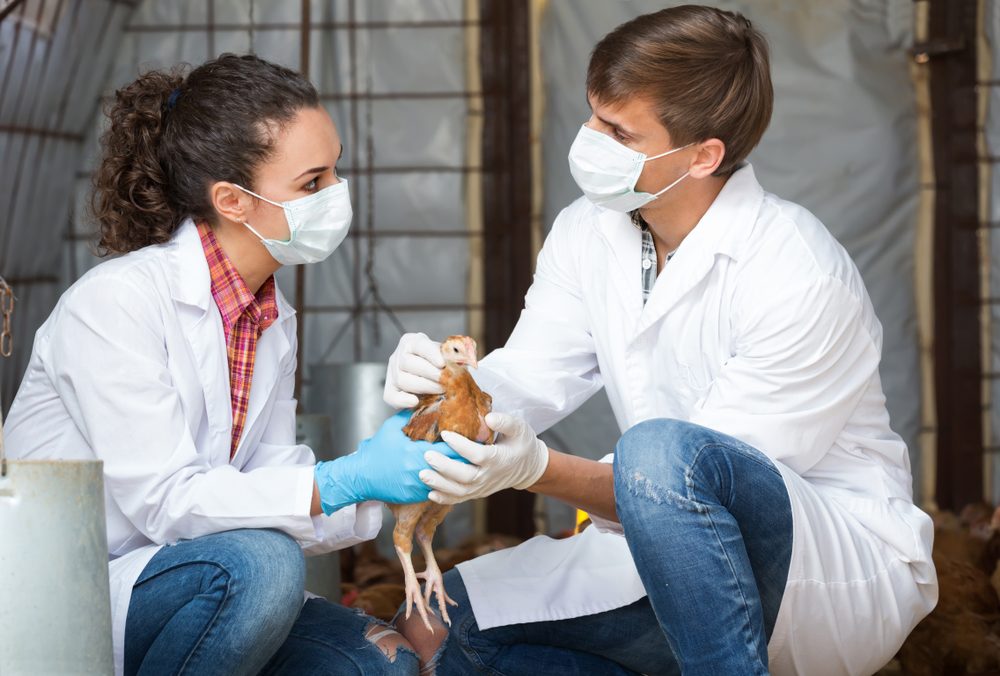
<div>It involves a comprehensive approach to prevent, identify, and manage health issues that can affect the flock. By implementing proper health management practices, poultry farmers can ensure the optimal growth and productivity of their birds, as well as minimize the risk of disease outbreaks.</div>
-

Choose the Right Type of Birds You Need
Set Up a Conducive Poultry Housing System
Invest in Quality Poultry Feed
Vaccinate Your Birds to Prevent Disease Outbreaks for Your Poultry Birds
Practice Good Management
-

prevention starts with good management. This includes:
(1)
Starting with a healthy flock and ensuring new animals to be
introduced to the herd are disease free.
(2)
Adequate feeding with clean water, balance diet
(3)
Adequate housing
(4)
Maintaining good hygiene and sanitation in the flock.
(5)
Following the recommended preventive measures such as Vaccination
programmes, de-worming, spray or dust against ecto-parasite,
Quarantine etc.prevention starts with good management. This includes:
(1)
Starting with a healthy flock and ensuring new animals to be
introduced to the herd are disease free.
(2)
Adequate feeding with clean water, balance diet
(3)
Adequate housing
(4)
Maintaining good hygiene and sanitation in the flock.
(5)
Following the recommended preventive measures such as Vaccination
programmes, de-worming, spray or dust against ecto-parasite,
Quarantine etc. -








Log in to reply.