
Poultry Disease Management and Control
Public Poultry
Public Poultry
Varied forms of poultry diseases occurs in all corners of the world. Some have regional impact... View more
Public Poultry
Organizers:
- Organized by
-
-


Group Description
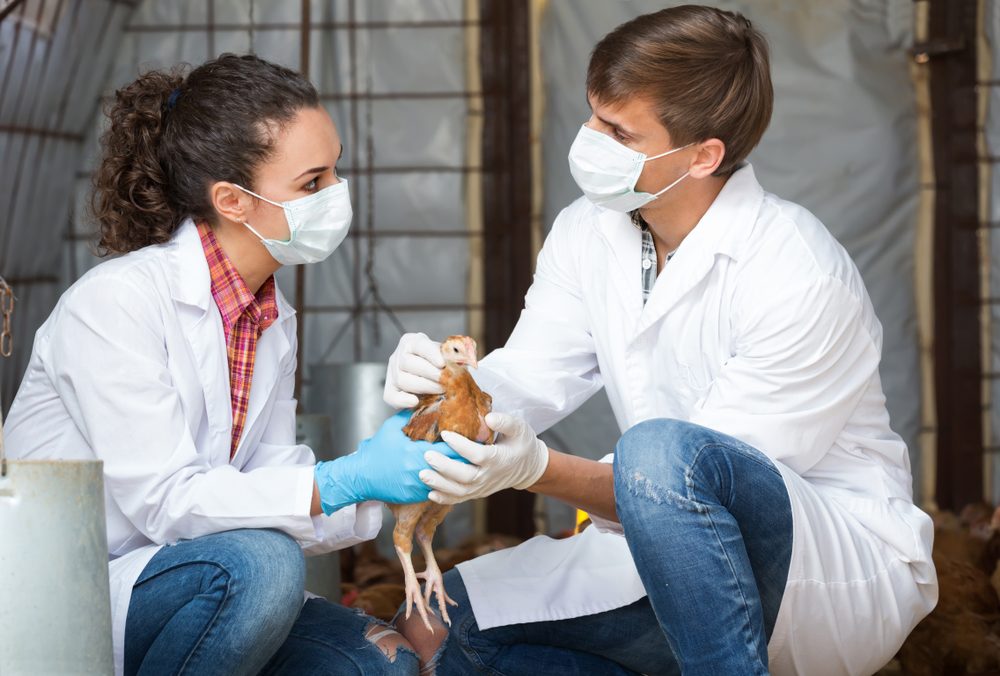
Varied forms of poultry diseases occurs in all corners of the world. Some have regional impact while others affect a larger global area. They continue to cause serious losses to poultry producers on a day-to-day basis. Managing and controlling them is something that a producer must always be ready with. On larger significance, infections have caused serious restraint to international trade. The SEC community has the advantage of having members represent different geographic regions and some important emerging markets. SECs poultry community puts forth this interest group titled “Poultry disease management and control” to promote exchange of information that would help community members learn from each other’s experiences. Come, join this interest group, and share your experiences and views.
Use of ND vaccine for breeder birds
-
-
-
-

Based on the ND titre levels, we have to vaccinate in regular intervals to the breeder flock will be safe for us to maintain the flock against ND
-

Incase of vaccine failure, when not certain about the potency of the vaccine
-

Repeating the Newcastle Disease (ND) vaccine in breeder birds can have several impacts on egg production, fertility, and hatchability:
-
Egg Production:
- Positive Impact: Vaccination helps maintain the health of breeder birds, leading to consistent egg production.
- Potential for Drop: If the timing of vaccination coincides with the production phase, there may be a temporary drop in egg production due to stress from the vaccination.
-
Fertility:
- Improved Fertility: Healthy breeders with effective vaccination programs tend to have better fertility rates, as vaccination reduces the risk of ND, which can negatively affect reproductive performance.
- Stress Effects: If vaccinations are not timed properly, they could stress birds and temporarily lower fertility.
-
Hatchability:
- Enhanced Hatchability: Vaccinated breeder flocks are generally healthier, leading to improved hatchability rates as healthy eggs are more likely to develop into viable chicks.
- Possible Risks: Excessive vaccination or poor management practices around vaccination timing may lead to reduced hatchability if it impacts the health of the hens or causes stress during critical laying periods.
Overall, a well-planned ND vaccination program is essential for maintaining the health of breeder birds, which ultimately supports optimal egg production, fertility, and hatchability.
-
-







Log in to reply.