

 Member
 Badmus
MemberForum Replies Created
-

What are the Ways in mitigating health stress in broilers
-
To improve egg hatchability, focus on optimizing both the breeder flock’s health and the incubation process. For breeder flocks, ensure proper nutrition, biosecurity, and a balanced male-to-female ratio. During incubation, maintain precise temperature, humidity, and ventilation, handle eggs with care, and turn them regularly.
-

What’s one thing we can do to get better hatchability results on our farm?
-
Yes, moisture loss during storage can lead to changes in the nutritional profile of feed ingredients, primarily by increasing the concentration of other nutrients and potentially degrading certain vitamins through oxidation. While moisture loss concentrates nutrients like protein, it can also cause issues like vitamin destruction and can lead to a decrease in feed quality.
-
Good guidelines to be considered during feedmills?
-
Pre-grinding systems are generally more efficient in terms of grinding losses and energy consumption, particularly for large-scale operations with consistent formulas, while post-grinding systems offer greater flexibility and formula accuracy, especially for facilities that change recipes frequently. Pre-grinding reduces the load on the main grinding mill, leading to lower wear and tear and significant energy savings, but requires pre-ground material storage which can be inefficient for varied products. Post-grinding avoids the need for pre-storage but can be more energy-intensive and may result in higher grinding losses due to less ideal grinding conditions.
-
32–34°C during the first few days and reducing gradually 0.3C per day.
-
What are the major constraints of feed during milling
-
Adding 1–2% water at the mixer level is acceptable and advisable for hard pellet production to improve pellet quality and efficiency, but high water addition can negatively impact drying, cooling, and increase mold risk. Adding liquid mold inhibitors with the water is also recommended to control mold growth and maintain feed quality, especially if higher water levels are necessary or if a lower final moisture is desired
-
Thank you, well detailed
-
What is the protein requirements for monogastric animals
-

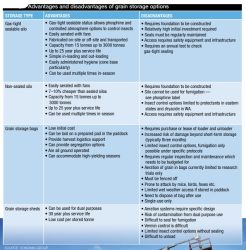
Gas-tight silos: Ideal for long-term storage and fumigation; require high investment and airtight sealing.
Non-sealed silos: Versatile and economical; not suitable for fumigation.
Storage bags: Flexible for short-term use; prone to damage, theft, and environmental risks.
Storage sheds: Durable and low-cost per tonne; difficult to fumigate and may pose contamination risks.
Overall: Each method involves trade-offs in cost, protection, and operational complexity—select based on specific storage needs.
-
When corn is stored at 15% moisture in silos under 35–49°C and 60–70% humidity, significant shrinkage occurs due to dry matter loss. The precise percentage varies, but is likely high because the conditions are well outside the recommended range for safe storage. A specific percentage for this extreme scenario is unavailable in research, as standard guidelines recommend lower temperatures and moisture to minimize loss.
-

This is actually helping farmers to save time and stress, reduced number of labour and also this makes it production easier and effective
-
General Avg value Dr, breed-to-breed difference will be there