

 Member
 Dr. Gajanan
MemberForum Replies Created
-

Fowl pox vaccines can create stakes, or localized lesions, as a result of the live virus in the vaccine stimulating an immune response. These lesions typically develop at the vaccination site and indicate that the body is building immunity against the disease. While these stakes are generally harmless, they serve as a visual marker of successful vaccination.
-
Litter should generally be stirred or turned weekly to manage moisture and reduce ammonia buildup, promoting a healthier environment. Full litter changes are typically recommended every 4 to 6 weeks, depending on factors like flock size and housing conditions. Regular monitoring of litter quality can help determine the optimal frequency for maintenance.
-
A sudden drop in feed intake can be caused by stress factors such as changes in environmental conditions, overcrowding, or disturbances in the poultry house. Health issues, including diseases or infections, can also lead to decreased appetite among birds. Additionally, poor feed quality or changes in feed formulation might deter birds from eating.
-
Recording and analyzing production data involves systematically collecting metrics such as feed intake, weight gain, and health observations over time. Use spreadsheets or specialized software to organize the data for easy access and analysis. Regularly review the data to identify trends, evaluate performance, and make informed management decisions to optimize production.
-
To control rodents and insects on a farm, implement a combination of sanitation practices, such as keeping feed storage areas clean and removing waste to eliminate attractants. Use physical barriers like traps and screens, along with chemical methods if necessary, ensuring they comply with safety regulations. Regular monitoring and maintenance of the premises are essential to identify and address infestations early.
-
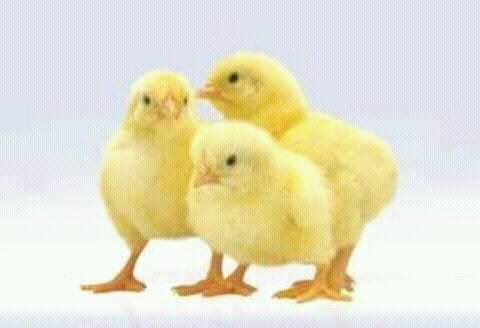
Signs of a healthy chick include active and alert behavior, with consistent movement and interaction with other chicks. A healthy chick has bright, clear eyes and smooth, clean feathers, indicating good hygiene and vitality. Additionally, they should have a good appetite, readily consuming feed and water without signs of distress or lethargy.
-
Every morning, it’s crucial to check the ventilation system to ensure proper airflow and temperature control in the poultry house. Monitoring feed and water levels is essential to ensure that birds have adequate access to nutrition and hydration. Additionally, observing the flock for signs of health issues or distress helps identify potential problems early.
-
Feed Conversion Ratio (FCR) is calculated by dividing the total feed consumed by the total weight gained by the animals over a specific period. The formula is:
<math xmlns=”http://www.w3.org/1998/Math/MathML”><semantics><mrow><mtext>FCR</mtext><mo>=</mo><mfrac><mtext>Total Feed Intake (kg)</mtext><mtext>Weight Gain (kg)</mtext></mfrac></mrow><annotation encoding=”application/x-tex”>\text{FCR} = \frac{\text{Total Feed Intake (kg)}}{\text{Weight Gain (kg)}}</annotation></semantics></math>FCR=Weight Gain (kg)Total Feed Intake (kg)
A lower FCR indicates more efficient feed utilization, which is desirable in livestock production.
-
Grit refers to small, hard particles, typically made of crushed stones or shells, that aid in the digestion of feed in poultry. Since birds lack teeth, grit helps grind and break down feed in the gizzard, improving nutrient absorption. Additionally, it can enhance overall digestive efficiency and support optimal growth and health in poultry.
-
Live vaccines contain weakened or attenuated forms of pathogens that stimulate a strong immune response without causing disease, offering long-lasting immunity. Killed vaccines, on the other hand, contain inactivated pathogens that cannot replicate, resulting in a safer option but often requiring multiple doses for effective immunity. The choice between them depends on factors like the disease, target population, and desired immune response.
-
The main routes of disease transmission in a poultry farm include direct contact between birds, where pathogens can spread through droppings, respiratory secretions, or physical interactions. Indirect transmission can occur via contaminated equipment, clothing, or feed, as well as through vectors like insects and rodents. Environmental factors, such as contaminated water sources or bedding, also play a significant role in spreading diseases among flocks.
-
When receiving new chicks on the farm, the following steps are typically followed:
-
Preparation of Brooder Area: Ensure that the brooder area is clean, properly heated, and equipped with adequate bedding, feeders, and waterers.
-
Inspection of Chicks: Upon arrival, inspect the chicks for health and vitality, checking for any signs of disease or distress.
-
Temperature Control: Verify that the brooder’s temperature is set correctly, usually around 32-35°C (90-95°F) for the first week, and adjust as necessary.
-
Acclimatization: Allow chicks to acclimate to their new environment gradually, minimizing stress during transfer from transport containers to the brooder.
-
Providing Feed and Water: Ensure that clean, fresh water and starter feed are available immediately to encourage early consumption.
-
Monitoring: Observe the chicks closely for the first few hours for signs of stress or health issues, adjusting conditions as needed.
-
Record Keeping: Document details such as the arrival date, the number of chicks, and any observations regarding their health and behavior.
By following these steps, you can help ensure a smooth transition and promote healthy growth for the new flock.
-
-
The average weight of a broiler at 35 days typically ranges from 2.0 to 2.5 kilograms (4.4 to 5.5 pounds). This weight can vary based on breed, feeding practices, and environmental conditions. Proper management and nutrition are crucial for achieving optimal growth rates by this age.
-
What methods are used to evaluate the efficacy of enzymes in feed trials?
-
How do enzyme preparations differ in their stability and activity during feed processing, such as pelleting?