

 Member
 Dr. Gajanan
MemberForum Replies Created
-

Apart from disease,s some of non non-diseases cause
🐥 Types of Feed Refusal in Broilers
1️⃣ Dietary Feed Refusal
-
Triggered by nutrient imbalances, mycotoxins, mineral excesses, or poor feed/water access.
-
Typically affects all flocks uniformly.
-
Linked to formulation errors, anti-nutritional factors, or energy-density mismatches.
2️⃣ Sensory Feed Refusal
-
Caused by poor pellet texture, excessive hardness, dryness, or unappealing physical traits.
-
Affects specific flocks or farms, often batch-dependent.
-
Driven by feed recognition and prehension issues due to visual and tactile cues.
3️⃣ Transient Feed Refusal
-
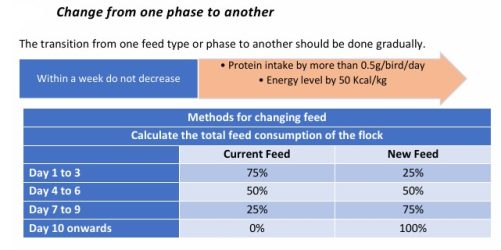
Short-term reluctance during feed transitions (e.g., crumbs to pellets).
-
Often resolves within 24 hours with compensatory feeding.
-
Can be minimized by gradual pellet introduction (e.g., 5% pellets in crumbs, 50:50 mix).
-
-
🥚 Key Layer Strains for Egg Production
-
BV 300 (ISA Brown variant)
-
High brown egg yield
-
Excellent feed conversion and adaptability
-
Widely used in tropical and semi-intensive systems
-
-
Hy-Line W-36
-
White egg layer
-
Known for superior persistency and low feed intake
-
Ideal for high-density commercial operations
-
-
Lohmann LSL Classic
-
White egg producer with strong shell quality
-
High peak production and longevity
-
Popular in both cage and alternative housing systems
-
-
-
Feed Transition Guidelines by BV300 Std
-
Attached the Cost Economic Sample Format, hope it works.
-
Canola and rapeseed meals are constrained by several anti-nutritional factors (ANFs) that affect digestibility, palatability, and safety. The most critical ANFs include glucosinolates (e.g., progoitrin, gluconapin), which hydrolyze into goitrin and other toxic metabolites that impair thyroid function and reduce feed intake. Sinapine and tannins reduce palatability and protein digestibility, with sinapine causing fishy taint in brown-egg layers. Phytate (myo-inositol hexakisphosphate) binds minerals like phosphorus and zinc, requiring phytase supplementation. High fiber content from arabinoxylans and pectins limits energy digestibility in monogastrics unless enzymes are used.
A specific concern in rapeseed is erucic acid (cis-13-docosenoic acid), a long-chain monounsaturated fatty acid linked to myocardial lipidosis and growth depression in young animals. While modern canola cultivars contain <2% erucic acid, traditional rapeseed may exceed safe thresholds, necessitating strict quality control.
To mitigate these risks, use low-glucosinolate canola meal, limit inclusion rates (typically <10% in poultry), apply enzyme blends (phytase, xylanase), and blend with higher-quality protein sources like soybean meal. Always verify cultivar and processing quality to ensure safety and nutritional efficacy.
-

To provide a balanced diet, you should include ingredients that supply all essential nutrients — energy, protein, vitamins, minerals, fiber, and water — in the right proportions.
-
Md Abdul Bari
MemberOctober 6, 2025 at 2:02 am in reply to: Effective Strategies for Subclinical CoccidiosisExcellent
-
Grit is small, hard particles of rock, shells, or granite that poultry consume to help them digest food because they lack teeth. The grit is stored in the gizzard and acts as grinding stones, crushing food into a paste for better nutrient absorption. There are two main types of grit: insoluble grit (like flint or granite) for grinding, and soluble grit (like oyster shells) to provide calcium for strong bones and eggshells
-
To control rodents and insects on a farm, use an integrated pest management (IPM) approach, which combines prevention, sanitation, and physical methods like trapping and exclusion, followed by biological and chemical control as last resorts.