

 Member
 Dr. Gajanan
MemberForum Replies Created
-

They play a crucial role in food production by quickly and efficiently converting raw ingredients into finished products. Enzymes are naturally occurring biological tools found in all living organisms, humans produce and use multiple enzymes to lead a healthy life.
-
Due to many animals cannot digest 15%–20% of the feed that they consume due to hard-to-digest feed components, enzymes are added to ensure an optimized release of energy and micronutrients from the ingested materials.
-

Mycotoxins in feed negatively impact cows by decreasing milk production, lowering reproductive efficiency, and impairing immune function, leading to reduced farm profitability. They also cause health issues such as diarrhea, ketosis, hemorrhage, and in severe cases, estrogenic effects like swollen vulvas and rectal prolapses,
-

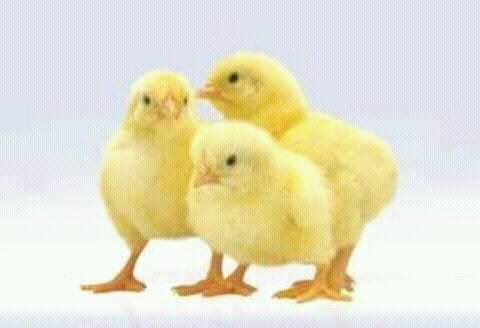
<font color=”#001d35″><font face=”SolaimanLipi”><font size=”2″>When receiving new chicks, the key steps are preparing the brooder with bedding and stable, appropriate heat (95°F), and ensuring immediate access to fresh water and chick starter feed. After placing the chicks in the brooder, gently dip a few chicks’ beaks in the water to teach the others and observe them to confirm they are drinking and eating. Maintain proper sanitation and daily monitor the chicks for health and the environment for comfort and cleanliness.</font></font></font>
<font color=”#001d35″><font face=”SolaimanLipi”><font size=”2″>1. Prepare the Brooder</font></font></font>
-
<font color=”#001d35″><font face=”SolaimanLipi”><font size=”2″>Clean and Disinfect: </font></font></font><font color=”#001d35″><font face=”SolaimanLipi”><font size=”2″>Thoroughly clean, wash, and disinfect the brooder house and all equipment before the chicks arrive.</font></font></font>
-
<font color=”#001d35″><font face=”SolaimanLipi”><font size=”2″>Litter: </font></font></font><font color=”#001d35″><font face=”SolaimanLipi”><font size=”2″>Add a layer of dry, absorbent bedding like wood shavings, 3-4 inches deep, to the floor of the brooder.</font></font></font>
-
<font color=”#001d35″><font face=”SolaimanLipi”><font size=”2″>Heat: </font></font></font><font color=”#001d35″><font face=”SolaimanLipi”><font size=”2″>Assemble a heat lamp, maintaining the brooder temperature at a stable 95°F (35°C) for the first week.</font></font></font>
-
<font color=”#001d35″><font face=”SolaimanLipi”><font size=”2″>Feeders and Waterers: </font></font></font><font color=”#001d35″><font face=”SolaimanLipi”><font size=”2″>Place clean, full feeders and waterers in the brooder, ensuring they are at the right height for the chicks.</font></font></font>
<font color=”#001d35″><font face=”SolaimanLipi”><font size=”2″>2. Arrival and Initial Care</font></font></font>
-
<font color=”#001d35″><font face=”SolaimanLipi”><font size=”2″>Unload and Place: </font></font></font><font color=”#001d35″><font face=”SolaimanLipi”><font size=”2″>Once the chicks arrive, quickly place them into the pre-heated and prepared brooder.</font></font></font>
-
<font color=”#001d35″><font face=”SolaimanLipi”><font size=”2″>Encourage Water Intake: </font></font></font><font color=”#001d35″><font face=”SolaimanLipi”><font size=”2″>Dip the beak of one or two energetic chicks into the water to teach the others where to drink.</font></font></font>
-
<font color=”#001d35″><font face=”SolaimanLipi”><font size=”2″>Introduce Feed: </font></font></font><font color=”#001d35″><font face=”SolaimanLipi”><font size=”2″>A couple of hours after arrival, introduce the chicks to their starter feed.</font></font></font>
-
<font color=”#001d35″><font face=”SolaimanLipi”><font size=”2″>Monitor: </font></font></font><font color=”#001d35″><font face=”SolaimanLipi”><font size=”2″>After a few hours, check to ensure all chicks have drunk water and are eating the feed.</font></font></font>
<font color=”#001d35″><font face=”SolaimanLipi”><font size=”2″>3. Ongoing Management</font></font></font>
-
<font color=”#001d35″><font face=”SolaimanLipi”><font size=”2″>Observe Daily: </font></font></font><font color=”#001d35″><font face=”SolaimanLipi”><font size=”2″>Check on your chicks multiple times daily, observing their behavior, health, and the environment.</font></font></font>
-
<font color=”#001d35″><font face=”SolaimanLipi”><font size=”2″>Maintain Cleanliness: </font></font></font><font color=”#001d35″><font face=”SolaimanLipi”><font size=”2″>Clean the feeders and waterers at least once a day.</font></font></font>
-
<font color=”#001d35″><font face=”SolaimanLipi”><font size=”2″>Adjust Temperature: </font></font></font><font color=”#001d35″><font face=”SolaimanLipi”><font size=”2″>Gradually reduce the brooder temperature by 5°F each week until it reaches a minimum of 55°F.</font></font></font>
-
<font color=”#001d35″><font face=”SolaimanLipi”><font size=”2″>Hygiene: </font></font></font><font color=”#001d35″><font face=”SolaimanLipi”><font size=”2″>Wash your hands before and after handling chicks and maintain good sanitation practices to prevent disease.</font></font></font>
-
-
<font color=”#001d35″><font face=”Arial, sans-serif”><font size=”3″>Chicken diarrhea is loose, watery droppings indicating underlying health issues like heat stress, coccidiosis, worms, or bacterial infections. To determine the cause, look for other symptoms such as lethargy, ruffled feathers, or blood in the droppings.</font></font></font>
<font color=”#001d35″><font face=”Arial, sans-serif”><font size=”3″>Treatment varies by cause but often involves improving sanitation, providing electrolytes, and consulting a veterinarian to diagnose and prescribe specific treatments.</font></font></font>
-
Care of DOC started at the time of pull out from the Hatcher machine. Gently & properly handling of DOC during boxing, vaccination, grading is very crucial. The chicks holding room temperature should be 70-80 F with proper ventilation. DOC transportation is also important & need special care to reduce stress and transit mortality. After arrival at the farm, need necessary care.