
 Member
 Olaiya Oluseyi
MemberForum Replies Created
-

What nutritional strategies can improve egg size, shell quality, and laying frequency?
-

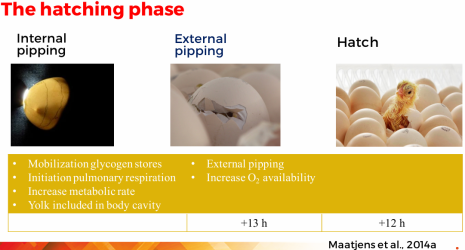
Dear Members, please share your views on this Hatching Phase step.
-

integration of Mass Spectrometry (MS),
-
The best time to use probiotics and prebiotics for poultry is at times of stress or at the beginning of their life, such as at hatching, during transportation, or after antibiotic use.
-
Water quality is shaped by two key factors: pH and ORP.
pH tells us how acidic or alkaline the water is. The scale runs from 0 to 14, with 7 being neutral. Water between 6 and 6.5 is generally ideal for farm use. If it’s too acidic or too alkaline, it can affect animal health, nutrient absorption, and even encourage microbial growth.
ORP, or Oxidation-Reduction Potential, measures the water’s ability to disinfect itself. It’s expressed in millivolts (mV). The higher the ORP, the stronger the water’s ability to kill bacteria and viruses. ORP above 600 mV is considered excellent for disinfection, while values below 250 mV suggest poor microbial control.
Now, looking at your farm water results:
-
Farm 2 has the best water quality. Its pH is 6.5 (ideal) and ORP is 700 mV (strong disinfection).
-
Farm 4 is at highest risk of bacterial contamination. Although its pH is acceptable at 7.2, the ORP is just 160 mV, which means weak disinfection power.
In short, pH sets the chemical environment, and ORP tells you how clean and safe that environment really is.
-
-

Pragati
MemberSeptember 11, 2025 at 2:14 pm in reply to: “What do these shell patterns reveal about the hen’s health or nutrition?”The picture below shows some differences between the table eggs. Can you spot them and their reasons?
-

Quarantine the affected birds from the rest of the flock to avoid spreading the disease.
-
There could be so many reasons for greenish diarrhea, not ND alone, some bacteria diseases can cause it, and also your birds could be digesting bile due to prolonged feed starvation.
-
yes crt