

 Member
 Olaiya Oluseyi
MemberForum Replies Created
-

Good 👍👍
-
Muhammad Ahmad
MemberOctober 15, 2025 at 10:13 am in reply to: Moisture & Aeration Management at SiloKey Practical Aeration Practices:
1. Aerate Based on Temperature, Not a Schedule:
· The Rule: Run aeration fans when the outside air temperature is at least 5-6°C (10-12°F) COOLER than the grain temperature.
· Goal: To push cool air through the grain mass, cooling it down in layers from the bottom up and prevent condensation (which causes spoilage).
2. Target a “Temperature Front”:
· Don’t try to cool the entire silo at once. Cool it in sections.
· Run aeration until you can feel a distinct temperature change (the “front”) at the top of the grain. Then stop.
· Once the entire mass has equilibrated, repeat the process to push the front further, aiming for a final grain temperature of <15°C (60°F) for long-term storage.
3. Prioritize Aeration After Filling:
· The most critical time for aeration is immediately after filling the silo, especially if the maize is still warm. Run fans continuously for the first 24-48 hours if outside conditions are favorable (cool and dry) to remove the initial heat and moisture.
4. Monitor Religiously:
· Use temperature cables to create a “temperature map” of your silo. Look for any hotspots (a temperature rise of >5°C above the surrounding area) which are the first sign of spoilage.
· Simple Check: If you smell musty air or see condensation on the roof when you open the hatch, you need to aerate immediately.
5. Manage Fines:
· Maize kernels and broken particles (“fines”) settle in the center of the silo when filled. This area is densely packed and has less airflow, making it a prime spot for spoilage.
· Use a grain spreader or distributor during filling to evenly distribute the fines throughout the silo, preventing a dense central core.
Quick Experience-Based Tips:
· Winter Storage: In cold climates, you can cool maize to near freezing. This dramatically halts mold and insect activity.
· Summer Challenge: Aeration is hardest in hot, humid weather. Run fans only during the coolest, driest parts of the day (e.g., early morning).
· Fan Runtime: Aeration is not about drying; it’s about cooling. Short, frequent cycles based on temperature are far more effective and efficient than continuous runtime in unsuitable weather.
In short: Focus on using aeration to manage grain temperature, not moisture, and always errKey Practical Aeration Practices:
1. Aerate Based on Temperature, Not a Schedule:
· The Rule: Run aeration fans when the outside air temperature is at least 5-6°C (10-12°F) COOLER than the grain temperature.
· Goal: To push cool air through the grain mass, cooling it down in layers from the bottom up and prevent condensation (which causes spoilage).
2. Target a “Temperature Front”:
· Don’t try to cool the entire silo at once. Cool it in sections.
· Run aeration until you can feel a distinct temperature change (the “front”) at the top of the grain. Then stop.
· Once the entire mass has equilibrated, repeat the process to push the front further, aiming for a final grain temperature of <15°C (60°F) for long-term storage.
3. Prioritize Aeration After Filling:
· The most critical time for aeration is immediately after filling the silo, especially if the maize is still warm. Run fans continuously for the first 24-48 hours if outside conditions are favorable (cool and dry) to remove the initial heat and moisture.
4. Monitor Religiously:
· Use temperature cables to create a “temperature map” of your silo. Look for any hotspots (a temperature rise of >5°C above the surrounding area) which are the first sign of spoilage.
· Simple Check: If you smell musty air or see condensation on the roof when you open the hatch, you need to aerate immediately.
5. Manage Fines:
· Maize kernels and broken particles (“fines”) settle in the center of the silo when filled. This area is densely packed and has less airflow, making it a prime spot for spoilage.
· Use a grain spreader or distributor during filling to evenly distribute the fines throughout the silo, preventing a dense central core.Quick Experience-Based Tips:
· Winter Storage: In cold climates, you can cool maize to near freezing. This dramatically halts mold and insect activity.
· Summer Challenge: Aeration is hardest in hot, humid weather. Run fans only during the coolest, driest parts of the day (e.g., early morning).
· Fan Runtime: Aeration is not about drying; it’s about cooling. Short, frequent cycles based on temperature are far more effective and efficient than continuous runtime in unsuitable weather.In short: Focus on using aeration to manage grain temperature, not moisture, and always err
-
Eggcelent
-

Shubham Dwivedi
MemberOctober 15, 2025 at 10:07 am in reply to: How might soy affect thyroid function?Thank u
-

if the active ingredient doesnt work against each other,there wont be issue.however its preferably to use one at time to evaluate the reaction.
-

Are layer requirements metioned here for particular breed, like Broielr specifications says for Cobb
-

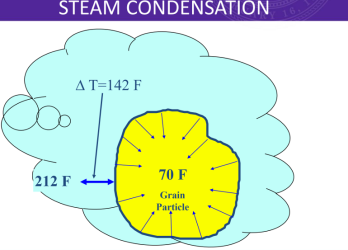
Conditioning is the pre-pelleting process that prepares mash feed for optimal pellet formation. It hinges on three core factors:
⏱️ Time
-
Conditioner Length: Longer conditioners allow more residence time for heat and moisture penetration.
-
Conditioner Speed: Slower RPM increases retention time but may affect throughput.
-
Pick Setup: Influences mixing intensity and flow resistance—critical for uniform conditioning.
💧 Moisture
-
Steam: Primary source of moisture and heat. Quality (dry vs. wet steam) affects conditioning efficiency.
-
Water: Sometimes added to adjust moisture levels, especially when steam alone is insufficient.
🔥 Heat
-
Steam again: Dual role—moisture carrier and heat source. Target temperature typically ranges from 75–85°C depending on formulation and species.
-
-

Udumula Kranthi kumar
MemberOctober 15, 2025 at 5:10 am in reply to: shrinkage percentage of corn grainsgood information
-
Of course. This is a complex question because the exact shrinkage percentage depends on the final moisture content the grain achieves, which is determined by the storage conditions.
However, based on the principles of grain equilibrium moisture content (EMC), we can provide a strong estimate.
The expected shrinkage for corn stored at 15% moisture under your stated conditions (35–49°C and 60–70% Relative Humidity) is approximately 1.5% to 3.0% by weight.
Here is a breakdown of why:
1. The Key Concept: Equilibrium Moisture Content (EMC)
Grains are hygroscopic; they gain or lose moisture until they are in balance with the temperature and relative humidity of the air surrounding them.
· Your initial moisture is 15%.
· Your storage conditions (~35°C & ~65% RH) have an EMC for corn of about 12.5% – 13.5%.
This means the corn will slowly lose moisture until it reaches this lower level.
2. The Shrinkage Calculation
Shrinkage is calculated based on the amount of water lost.
Formula: Shrinkage (%) = (Initial Moisture – Final Moisture) / (100 – Final Moisture) * 100
Let’s calculate for a final moisture of 13.0%:
Shrinkage= (15 – 13) / (100 – 13) * 100
=(2) / (87) * 100
=2.3%
Using this formula:
· Shrinking to 12.5% results in ~2.9% weight loss.
· Shrinking to 13.5% results in ~1.7% weight loss.
This gives us the range of 1.7% to 2.9%, which we can round to ~1.5% to 3.0% to be safe.
Critical Considerations & Risks
1. Mold & Spoilage Risk: This is a major concern. Storing corn at 35–49°C is dangerously high. While the low humidity helps dry it, any hotspots or moisture condensation (from temperature fluctuations) can lead to rapid mold growth, which would cause much higher losses than the simple moisture shrinkage.
2. Air Flow (Aeration): The rate and uniformity of drying depend entirely on whether the silo has aeration. Without it, the grain will not reach a uniform moisture level, and the risk of spoilage skyrockets.
3. Temperature Fluctuations: The wide temperature range (35–49°C) can cause moisture migration within the silo, leading to wet spots and spoilage.
In summary: While the expected moisture loss shrinkage is around 1.5-3.0%, the actual total losses in your scenario are likely to be higher due to the significant risk of spoilage in such warm storage conditions. Proper aeration is critical to managing this risk.Of course. This is a complex question because the exact shrinkage percentage depends on the final moisture content the grain achieves, which is determined by the storage conditions.
However, based on the principles of grain equilibrium moisture content (EMC), we can provide a strong estimate.
The expected shrinkage for corn stored at 15% moisture under your stated conditions (35–49°C and 60–70% Relative Humidity) is approximately 1.5% to 3.0% by weight.
Here is a breakdown of why:
1. The Key Concept: Equilibrium Moisture Content (EMC)
Grains are hygroscopic; they gain or lose moisture until they are in balance with the temperature and relative humidity of the air surrounding them.
· Your initial moisture is 15%.
· Your storage conditions (~35°C & ~65% RH) have an EMC for corn of about 12.5% – 13.5%.This means the corn will slowly lose moisture until it reaches this lower level.
2. The Shrinkage Calculation
Shrinkage is calculated based on the amount of water lost.
Formula: Shrinkage (%) = (Initial Moisture – Final Moisture) / (100 – Final Moisture) * 100
Let’s calculate for a final moisture of 13.0%:
Shrinkage= (15 – 13) / (100 – 13) * 100
=(2) / (87) * 100
=2.3%Using this formula:
· Shrinking to 12.5% results in ~2.9% weight loss.
· Shrinking to 13.5% results in ~1.7% weight loss.This gives us the range of 1.7% to 2.9%, which we can round to ~1.5% to 3.0% to be safe.
Critical Considerations & Risks
1. Mold & Spoilage Risk: This is a major concern. Storing corn at 35–49°C is dangerously high. While the low humidity helps dry it, any hotspots or moisture condensation (from temperature fluctuations) can lead to rapid mold growth, which would cause much higher losses than the simple moisture shrinkage.
2. Air Flow (Aeration): The rate and uniformity of drying depend entirely on whether the silo has aeration. Without it, the grain will not reach a uniform moisture level, and the risk of spoilage skyrockets.
3. Temperature Fluctuations: The wide temperature range (35–49°C) can cause moisture migration within the silo, leading to wet spots and spoilage.In summary: While the expected moisture loss shrinkage is around 1.5-3.0%, the actual total losses in your scenario are likely to be higher due to the significant risk of spoilage in such warm storage conditions. Proper aeration is critical to managing this risk.
-

well explained. Thanks
-
Yes, That’s yet another myth. Egg color is only due to the shell pigments which do not have any nutritional significance.
– Dr Malathi