
 Member
 Olaiya Oluseyi
MemberForum Replies Created
-

How different organic acids affect gut micro flora of the poultry?
-

Aquaculture has several environmental concerns that impact ecosystems and communities. Some of the key issues include:
– *Water Pollution*: Aquaculture can lead to water pollution through nutrient overload, excess feed, and waste accumulation, causing eutrophication, algal blooms, and oxygen depletion.
– *Habitat Destruction*: Aquaculture farms often require large areas of land and water, leading to habitat destruction, loss of biodiversity, and increased coastal vulnerability. Mangrove forests and wetlands are particularly vulnerable ecosystems.
– *Disease and Parasite Spread*: Intensive aquaculture practices can facilitate the spread of diseases and parasites among farmed and wild fish populations, posing risks to ecosystem health.
– *Genetic Disruption*: Escaped farmed fish can interbreed with wild populations, altering genetic makeup and potentially weakening wild fish populations.
– *Chemical Use and Antibiotic Resistance*: Aquaculture often involves the use of antibiotics and other chemicals, contributing to antibiotic resistance, pollution, and harm to non-target species.
– *Greenhouse Gas Emissions*: Aquaculture contributes to greenhouse gas emissions through energy consumption, feed production, and waste management.
– *Resource Overuse*: Aquaculture relies heavily on wild-caught fish for feed, contributing to overfishing and pressure on marine ecosystems.
– *Water Usage and Waste Management*: Aquaculture requires significant water resources, and poor waste management can lead to water pollution and waste accumulation.
To mitigate these concerns, sustainable aquaculture practices focus on:
– *Recirculating Aquaculture Systems (RAS)*: Closed-loop systems that minimize water usage and prevent pollution.
– *Integrated Multi-Trophic Aquaculture (IMTA)*: Combining species like fish, shellfish, and seaweed to mimic natural ecosystems and reduce waste.
– *Best Management Practices (BMPs)*: Implementing BMPs, such as optimizing feed management and biosecurity measures, to reduce environmental impact.
– *Sustainable Feed Sources*: Exploring alternative feed sources, like plant-based proteins and algae-based alternatives, to reduce reliance on wild-caught fish.
– *Regulatory Frameworks*: Strengthening regulations and monitoring systems to ensure aquaculture operations prioritize environmental sustainability.Aquaculture has several environmental concerns that impact ecosystems and communities. Some of the key issues include:
– *Water Pollution*: Aquaculture can lead to water pollution through nutrient overload, excess feed, and waste accumulation, causing eutrophication, algal blooms, and oxygen depletion.
– *Habitat Destruction*: Aquaculture farms often require large areas of land and water, leading to habitat destruction, loss of biodiversity, and increased coastal vulnerability. Mangrove forests and wetlands are particularly vulnerable ecosystems.
– *Disease and Parasite Spread*: Intensive aquaculture practices can facilitate the spread of diseases and parasites among farmed and wild fish populations, posing risks to ecosystem health.
– *Genetic Disruption*: Escaped farmed fish can interbreed with wild populations, altering genetic makeup and potentially weakening wild fish populations.
– *Chemical Use and Antibiotic Resistance*: Aquaculture often involves the use of antibiotics and other chemicals, contributing to antibiotic resistance, pollution, and harm to non-target species.
– *Greenhouse Gas Emissions*: Aquaculture contributes to greenhouse gas emissions through energy consumption, feed production, and waste management.
– *Resource Overuse*: Aquaculture relies heavily on wild-caught fish for feed, contributing to overfishing and pressure on marine ecosystems.
– *Water Usage and Waste Management*: Aquaculture requires significant water resources, and poor waste management can lead to water pollution and waste accumulation.To mitigate these concerns, sustainable aquaculture practices focus on:
– *Recirculating Aquaculture Systems (RAS)*: Closed-loop systems that minimize water usage and prevent pollution.
– *Integrated Multi-Trophic Aquaculture (IMTA)*: Combining species like fish, shellfish, and seaweed to mimic natural ecosystems and reduce waste.
– *Best Management Practices (BMPs)*: Implementing BMPs, such as optimizing feed management and biosecurity measures, to reduce environmental impact.
– *Sustainable Feed Sources*: Exploring alternative feed sources, like plant-based proteins and algae-based alternatives, to reduce reliance on wild-caught fish.
– *Regulatory Frameworks*: Strengthening regulations and monitoring systems to ensure aquaculture operations prioritize environmental sustainability. -

Acidification of soils :If a farm is land based and has to be abandoned for any reason this can leave the soils eroded and too salty to be used for other forms of farming in the future.
pollution of drinking water : Inland aquaculture has been linked to the pollution of water bodies used for human drinking water. One such study estimated that one farm producing 3 tonnes of freshwater fish would generate the equivalent waste of 240 people.
introduction of invasive species :There have been a total of 25 million reported fish escapes worldwide, usually as a result of damaged netting, which occurs in severe storms or hurricanes.
There have been a total of 25 million reported fish escapes worldwide, usually as a result of damaged netting, which occurs in severe storms or hurricanes.
Escaped fish have the potential to affect wild fish populations by outcompeting them for food and other resources. This not only directly affects wild fish populations but also forces local fisherman in the area affected to fish in other areas which might already be overexploited.
Aquaculture can have some positive impacts for the environment, especially when carried out in a sustainable and well-regulated fashion.
Reduces pressure on wildlife : Overfishing is a big environmental problem, driven by a growing global desire for fish. According to the Food and Agriculture Organization (FAO) over 70% of the worlds wild fish species are either fully exploited or depleted. This disrupts ecosystems, taking away predators or prey species from the oceans.
Other problems from industrial scale sea fishing include:
- bycatch where large nets are cast catching unwanted species which are simply discarded;
- injuring and deaths of wildlife caught in discarded fishing nets and lines (sometimes known as ghost fishing);
- trawling of nets along the sea bed causing damage and stirring up sediments.
-
thanks for the clarifications
-
insulation of roof and walls,
foggers,
ventilation management,
reduce stocking density,
feeding in cool hours,
high density diet with low heat production
-

There is no single “expected shrinkage percentage” for corn stored under these conditions because the total loss is dynamic and depends on multiple factors. The high temperatures (35–49°C) and high humidity (60–70%) are not safe storage conditions for corn and will lead to rapid deterioration and quality loss, making any calculation of a stable shrinkage percentage impossible. The overall loss will be a combination of moisture shrink and significant dry matter loss from mold and respiration
-
myth:
white eggs are less beneficial than the brown eggs.
-
excellent effort to highlight the significance of egg. Egg is the good and cheaper source of protein, vitamins, minerals etc.
-
Water pollution, disease outbreak, pesticide & algal bloom
-

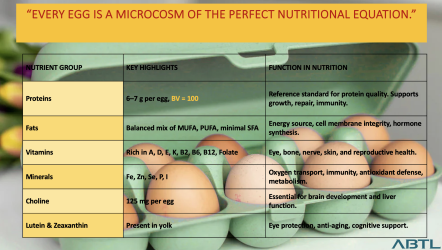
On 10th of October we celebrated egg!
The richness, the nutritional attributes and the eggciting wonders that it can do in by passing malnutrition in developing Asian and African countries. Here is a glimpse of egg nutrition in a go!
-

Udumula Kranthi kumar
MemberOctober 14, 2025 at 4:20 am in reply to: Moisture & Aeration Management at SiloTo remove moisture from grains, natural drying is definitely not the best method: too long times, risks of product loss and uneven drying make this process almost counterproductive. Much more advantageous is to use grain dryers – mobile or tower – which allow optimal and rapid drying
-
Rotimi
MemberOctober 13, 2025 at 10:44 pm in reply to: Role & Importance of Smart Sensors, AI, IoT, & Mobile Dashboards in AquacultureSmart sensors, AI, IoT, and mobile dashboards play crucial roles in aquaculture, transforming the industry’s efficiency, sustainability, and productivity. Here are their key roles and importance:
*Smart Sensors:*
– *Real-time monitoring*: Track water quality parameters like temperature, pH, and dissolved oxygen levels.
– *Early detection*: Identify changes in environmental parameters, enabling prompt action to prevent diseases and maintain optimal conditions.
– *Data collection*: Provide accurate and reliable data for informed decision-making.
*AI (Artificial Intelligence):*
– *Predictive analytics*: Analyze historical data and current trends to predict future outcomes, such as growth rates, feed requirements, and potential disease risks.
– *Disease detection*: Identify early signs of diseases or health issues in fish, enabling timely interventions.
– *Feed optimization*: Determine optimal feeding strategies based on fish growth, feed intake, and environmental conditions.
*IoT (Internet of Things):*
– *Remote monitoring*: Enable farmers to monitor and control aquaculture operations remotely, reducing the need for on-site visits.
– *Data transmission*: Facilitate real-time data transmission from sensors to cloud platforms for analysis and decision-making.
– *Automation*: Integrate with automation systems to optimize water quality parameters, feeding schedules, and other operational aspects.
*Mobile Dashboards:*
– *Real-time insights*: Provide farmers with real-time insights into aquaculture operations, enabling informed decision-making.
– *Remote access*: Allow farmers to access and manage aquaculture operations from anywhere, at any time.
– *Timely alerts*: Send notifications and alerts to farmers about potential issues, ensuring prompt action.
The importance of these technologies in aquaculture includes:
– *Improved productivity*: Optimized feeding strategies, better water quality management, and reduced disease outbreaks contribute to increased productivity.
– *Sustainability*: Efficient resource utilization, reduced waste, and improved environmental management promote sustainable aquaculture practices.
– *Cost savings*: Reduced feed waste, improved feed conversion ratios, and optimized energy consumption lead to cost savings.
– *Enhanced decision-making*: Data-driven insights enable farmers to make informed decisions, reducing the risk of errors and improving overall efficiency.Smart sensors, AI, IoT, and mobile dashboards play crucial roles in aquaculture, transforming the industry’s efficiency, sustainability, and productivity. Here are their key roles and importance:
*Smart Sensors:*
– *Real-time monitoring*: Track water quality parameters like temperature, pH, and dissolved oxygen levels.
– *Early detection*: Identify changes in environmental parameters, enabling prompt action to prevent diseases and maintain optimal conditions.
– *Data collection*: Provide accurate and reliable data for informed decision-making.*AI (Artificial Intelligence):*
– *Predictive analytics*: Analyze historical data and current trends to predict future outcomes, such as growth rates, feed requirements, and potential disease risks.
– *Disease detection*: Identify early signs of diseases or health issues in fish, enabling timely interventions.
– *Feed optimization*: Determine optimal feeding strategies based on fish growth, feed intake, and environmental conditions.*IoT (Internet of Things):*
– *Remote monitoring*: Enable farmers to monitor and control aquaculture operations remotely, reducing the need for on-site visits.
– *Data transmission*: Facilitate real-time data transmission from sensors to cloud platforms for analysis and decision-making.
– *Automation*: Integrate with automation systems to optimize water quality parameters, feeding schedules, and other operational aspects.*Mobile Dashboards:*
– *Real-time insights*: Provide farmers with real-time insights into aquaculture operations, enabling informed decision-making.
– *Remote access*: Allow farmers to access and manage aquaculture operations from anywhere, at any time.
– *Timely alerts*: Send notifications and alerts to farmers about potential issues, ensuring prompt action.The importance of these technologies in aquaculture includes¹ ² ³:
– *Improved productivity*: Optimized feeding strategies, better water quality management, and reduced disease outbreaks contribute to increased productivity.
– *Sustainability*: Efficient resource utilization, reduced waste, and improved environmental management promote sustainable aquaculture practices.
– *Cost savings*: Reduced feed waste, improved feed conversion ratios, and optimized energy consumption lead to cost savings.
– *Enhanced decision-making*: Data-driven insights enable farmers to make informed decisions, reducing the risk of errors and improving overall efficiency. -

For maize silos, feed mills follow aeration practices that focus on cooling, drying, and preventing spoilage by using fans to move air through the grain at specific times. Key practices include cleaning the grain before storage, ensuring uniform grain distribution in the silo, and aerating when ambient humidity is low to maintain a grain temperature between 2 °C and 10°C to reduce mold and pest growth. Advanced systems may use humidity and temperature sensors with automated fan controls, and some facilities operate the fans for short, timed cycles (e.g., 10-15 minutes every 2-3 hours) to allow air to reach equilibrium after fumigation