
 Member
 Sharad
MemberForum Replies Created
-

Adding 1–2% water at the mixer level is acceptable and advisable for hard pellet production to improve pellet quality and efficiency, but high water addition can negatively impact drying, cooling, and increase mold risk. Adding liquid mold inhibitors with the water is also recommended to control mold growth and maintain feed quality, especially if higher water levels are necessary or if a lower final moisture is desired
-
Thank you, well detailed
-
What is the protein requirements for monogastric animals
-

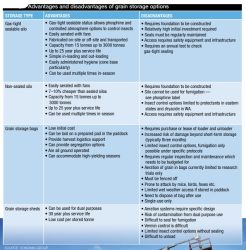
Gas-tight silos: Ideal for long-term storage and fumigation; require high investment and airtight sealing.
Non-sealed silos: Versatile and economical; not suitable for fumigation.
Storage bags: Flexible for short-term use; prone to damage, theft, and environmental risks.
Storage sheds: Durable and low-cost per tonne; difficult to fumigate and may pose contamination risks.
Overall: Each method involves trade-offs in cost, protection, and operational complexity—select based on specific storage needs.
-
When corn is stored at 15% moisture in silos under 35–49°C and 60–70% humidity, significant shrinkage occurs due to dry matter loss. The precise percentage varies, but is likely high because the conditions are well outside the recommended range for safe storage. A specific percentage for this extreme scenario is unavailable in research, as standard guidelines recommend lower temperatures and moisture to minimize loss.
-

Minimizing production downtime during equipment maintenance and cleaning is a critical goal for efficiency. Strategies focus on being proactive, efficient, and well-organized.
Here are key strategies:
1. Shift from Reactive to Proactive Maintenance
* Preventive Maintenance (PM): Develop and strictly adhere to a schedule for maintenance tasks (lubrication, inspections, part replacement) based on time or usage, before failure occurs. This turns unplanned downtime (expensive and disruptive) into scheduled, controlled downtime.
* Predictive Maintenance (PdM): Utilize technology like IoT sensors and data analytics to monitor equipment condition in real-time (e.g., vibration, temperature, energy consumption). This allows maintenance to be scheduled exactly when needed, maximizing component life while preventing unexpected breakdowns.
* Condition-Based Maintenance: A subset of PdM, this focuses on maintenance when indicators show a decline in performance or condition, not just on a fixed schedule.
2. Optimize Planning and Scheduling
* Integrate Maintenance and Production Schedules: Schedule maintenance and cleaning during planned downtime, like non-production shifts, changeovers, or low-demand periods, to minimize impact on output.
* Standard Operating Procedures (SOPs): Create clear, visual, and easy-to-follow SOPs for all maintenance, troubleshooting, and cleaning tasks. This ensures consistency and reduces time spent on figuring out what to do.
* Dedicated Cleaning/Maintenance Stations: Keep all necessary tools, spare parts, and cleaning supplies (including chemicals and PPE) organized and immediately accessible near the equipment. Shadow boards or mobile carts can help eliminate wasted time searching for items.
* Root Cause Analysis (RCA): After a breakdown or a lengthy downtime event, conduct a thorough RCA to understand the fundamental cause, not just fix the symptom. Implement permanent corrective actions to prevent recurrence.
3. Improve Equipment and Process Design
* Hygienic/Easy-to-Clean Design: Invest in equipment designed for quick and thorough cleaning (e.g., stainless steel, smooth surfaces, minimal crevices).
* Clean-in-Place (CIP) / Sterilize-in-Place (SIP): Implement automated cleaning systems where possible. CIP allows cleaning to occur without significant equipment disassembly, drastically reducing cleaning time.
* **Optimize Changeovers (SMED – Single Minute Exchange of Die): Apply lean principles to analyze and reduce the time required for product changeovers and cleaning. This often involves moving as many steps as possible to external (while the machine is running) activities.
* Modular Equipment: Use equipment with modular components that can be quickly swapped out for repair or cleaning while the main unit keeps running.
4. Invest in Staff Training and Empowerment
* Cross-Training: Train both operators and maintenance staff in troubleshooting and basic maintenance/cleaning of the equipment. Operators, being the first line of defense, should be empowered to perform quick checks and minor adjustments.
* Specialized Training: Ensure maintenance technicians are continuously trained on the specific, complex systems they manage.
* Total Productive Maintenance (TPM): Foster a culture where operators take ownership of their equipment’s daily maintenance and cleanliness (Autonomous Maintenance), freeing up maintenance staff for more complex repairs and proactive tasks.
5. Effective Inventory and Data Management
* Optimize Spare Parts Inventory: Maintain a well-organized inventory of critical spare parts, especially those with long lead times or high failure rates. Balance the cost of inventory with the cost of downtime.
* Track and Analyze Downtime: Accurately track all downtime events, including duration, reason/cause, and location. Analyzing this data (e.g., using metrics like MTBF – Mean Time Between Failure and MTTR – Mean Time To Repair) provides the necessary insights to focus improvement efforts.
* Computerized Maintenance Management System (CMMS): Use CMMS software to efficiently schedule, track, and manage all maintenance activities, work orders, and spare parts inventory.Minimizing production downtime during equipment maintenance and cleaning is a critical goal for efficiency. Strategies focus on being proactive, efficient, and well-organized.
Here are key strategies:
1. Shift from Reactive to Proactive Maintenance
* Preventive Maintenance (PM): Develop and strictly adhere to a schedule for maintenance tasks (lubrication, inspections, part replacement) based on time or usage, before failure occurs. This turns unplanned downtime (expensive and disruptive) into scheduled, controlled downtime.
* Predictive Maintenance (PdM): Utilize technology like IoT sensors and data analytics to monitor equipment condition in real-time (e.g., vibration, temperature, energy consumption). This allows maintenance to be scheduled exactly when needed, maximizing component life while preventing unexpected breakdowns.
* Condition-Based Maintenance: A subset of PdM, this focuses on maintenance when indicators show a decline in performance or condition, not just on a fixed schedule.
2. Optimize Planning and Scheduling
* Integrate Maintenance and Production Schedules: Schedule maintenance and cleaning during planned downtime, like non-production shifts, changeovers, or low-demand periods, to minimize impact on output.
* Standard Operating Procedures (SOPs): Create clear, visual, and easy-to-follow SOPs for all maintenance, troubleshooting, and cleaning tasks. This ensures consistency and reduces time spent on figuring out what to do.
* Dedicated Cleaning/Maintenance Stations: Keep all necessary tools, spare parts, and cleaning supplies (including chemicals and PPE) organized and immediately accessible near the equipment. Shadow boards or mobile carts can help eliminate wasted time searching for items.
* Root Cause Analysis (RCA): After a breakdown or a lengthy downtime event, conduct a thorough RCA to understand the fundamental cause, not just fix the symptom. Implement permanent corrective actions to prevent recurrence.
3. Improve Equipment and Process Design
* Hygienic/Easy-to-Clean Design: Invest in equipment designed for quick and thorough cleaning (e.g., stainless steel, smooth surfaces, minimal crevices).
* Clean-in-Place (CIP) / Sterilize-in-Place (SIP): Implement automated cleaning systems where possible. CIP allows cleaning to occur without significant equipment disassembly, drastically reducing cleaning time.
* **Optimize Changeovers (SMED – Single Minute Exchange of Die): Apply lean principles to analyze and reduce the time required for product changeovers and cleaning. This often involves moving as many steps as possible to external (while the machine is running) activities.
* Modular Equipment: Use equipment with modular components that can be quickly swapped out for repair or cleaning while the main unit keeps running.
4. Invest in Staff Training and Empowerment
* Cross-Training: Train both operators and maintenance staff in troubleshooting and basic maintenance/cleaning of the equipment. Operators, being the first line of defense, should be empowered to perform quick checks and minor adjustments.
* Specialized Training: Ensure maintenance technicians are continuously trained on the specific, complex systems they manage.
* Total Productive Maintenance (TPM): Foster a culture where operators take ownership of their equipment’s daily maintenance and cleanliness (Autonomous Maintenance), freeing up maintenance staff for more complex repairs and proactive tasks.
5. Effective Inventory and Data Management
* Optimize Spare Parts Inventory: Maintain a well-organized inventory of critical spare parts, especially those with long lead times or high failure rates. Balance the cost of inventory with the cost of downtime.
* Track and Analyze Downtime: Accurately track all downtime events, including duration, reason/cause, and location. Analyzing this data (e.g., using metrics like MTBF – Mean Time Between Failure and MTTR – Mean Time To Repair) provides the necessary insights to focus improvement efforts.
* Computerized Maintenance Management System (CMMS): Use CMMS software to efficiently schedule, track, and manage all maintenance activities, work orders, and spare parts inventory. -
The moisture content of raw materials for animal feed is not a single, fixed value; it varies significantly depending on the ingredient type, its processing, and storage conditions.
For most dry ingredients used in mixed feeds, the target and safe moisture content generally falls within a narrow range:
* Target Safe Range (Grains & Meals): 10\% to 13\%
This low range is critical because moisture levels above 14\% to 15\% significantly increase the risk of mold growth, mycotoxin production, and spoilage, reducing the feed’s quality and safety.
Typical Moisture Contents by Ingredient Type
| Ingredient Type | Common Examples | Typical Moisture Range (As-Fed) | Key Consideration |
|—|—|—|—|
| Cereal Grains | Corn, Wheat, Barley, Sorghum | 10\% to 14\% | Grains like corn should ideally be stored below 13.5\% moisture to prevent spoilage. |
| Protein Meals | Soybean Meal, Canola Meal, Fish Meal | 10\% to 12\% | These are heat-processed and dried, resulting in a consistently low moisture content. |
| Forages (Dry) | Hay, Straw, Dried Alfalfa | 10\% to 15\% | Hay is considered ‘dry’ but still retains an equilibrium moisture content of around 10\%. |
| Wet Byproducts | Silages, Wet Distillers Grains (WDG) | 35\% to 75\% | These materials are often defined by their low Dry Matter (DM) content (e.g., 25\% DM means 75\% moisture) and are used immediately or stored anaerobically. |
Importance of Moisture Control
Controlling the moisture content is a critical aspect of feed mill operations for several reasons:
* Storage Stability: High moisture leads to microbial activity (mold and yeast), which consumes nutrients and produces heat and potentially harmful mycotoxins.
* Nutrient Density: The nutrient composition of ingredients is generally expressed on a Dry Matter (DM) basis. Variations in moisture content directly affect the actual nutrient concentration of the feed “as-fed,” requiring adjustments during formulation.
* Processing: Moisture levels affect the efficiency of grinding and the quality of pellets. Dry materials (below 12\%) may require the addition of steam (moisture) during conditioning to achieve durable, high-quality pellets.
* Cost: Water adds weight, so controlling moisture content helps manage the true cost of purchased raw materials.The moisture content of raw materials for animal feed is not a single, fixed value; it varies significantly depending on the ingredient type, its processing, and storage conditions.
For most dry ingredients used in mixed feeds, the target and safe moisture content generally falls within a narrow range:
* Target Safe Range (Grains & Meals): 10\% to 13\%
This low range is critical because moisture levels above 14\% to 15\% significantly increase the risk of mold growth, mycotoxin production, and spoilage, reducing the feed’s quality and safety.
Typical Moisture Contents by Ingredient Type
| Ingredient Type | Common Examples | Typical Moisture Range (As-Fed) | Key Consideration |
|—|—|—|—|
| Cereal Grains | Corn, Wheat, Barley, Sorghum | 10\% to 14\% | Grains like corn should ideally be stored below 13.5\% moisture to prevent spoilage. |
| Protein Meals | Soybean Meal, Canola Meal, Fish Meal | 10\% to 12\% | These are heat-processed and dried, resulting in a consistently low moisture content. |
| Forages (Dry) | Hay, Straw, Dried Alfalfa | 10\% to 15\% | Hay is considered ‘dry’ but still retains an equilibrium moisture content of around 10\%. |
| Wet Byproducts | Silages, Wet Distillers Grains (WDG) | 35\% to 75\% | These materials are often defined by their low Dry Matter (DM) content (e.g., 25\% DM means 75\% moisture) and are used immediately or stored anaerobically. |
Importance of Moisture Control
Controlling the moisture content is a critical aspect of feed mill operations for several reasons:
* Storage Stability: High moisture leads to microbial activity (mold and yeast), which consumes nutrients and produces heat and potentially harmful mycotoxins.
* Nutrient Density: The nutrient composition of ingredients is generally expressed on a Dry Matter (DM) basis. Variations in moisture content directly affect the actual nutrient concentration of the feed “as-fed,” requiring adjustments during formulation.
* Processing: Moisture levels affect the efficiency of grinding and the quality of pellets. Dry materials (below 12\%) may require the addition of steam (moisture) during conditioning to achieve durable, high-quality pellets.
* Cost: Water adds weight, so controlling moisture content helps manage the true cost of purchased raw materials. -
Yes, there are several types of contaminants frequently found in raw materials used for animal feed, including mycotoxins, pesticides, heavy metals, and pathogenic microorganisms.
The presence and concentration of these contaminants are a major focus of quality control and HACCP programs in the feed industry.
| Contaminant Type | Examples | Source/Origin | Impact on Livestock |
|—|—|—|—|
| Mycotoxins | Aflatoxins, Deoxynivalenol (DON), Zearalenone, Ochratoxin | Produced by molds and fungi growing on crops (corn, wheat, peanuts, soy) often due to poor harvesting or storage conditions (high heat/moisture). | Reduced growth performance, feed refusal, impaired immune function, organ damage (liver, kidney), and reproductive issues. |
| Pesticides/Herbicides | Organophosphates, Organochlorines, Glyphosate residues | Residual chemicals used to protect crops from insects, weeds, or disease in the field or during storage. | Can cause acute poisoning or chronic health problems, and residues may transfer to animal products (meat, milk, eggs). |
| Heavy Metals | Lead (\text{Pb}), Cadmium (\text{Cd}), Arsenic (\text{As}), Mercury (\text{Hg}) | Contamination from the soil, pollution, or processing equipment (e.g., poor-quality mineral supplements). | Accumulation in animal tissues, posing a risk to both animal health and human consumers. |
| Pathogenic Microorganisms | Salmonella, E. coli, Clostridium | Contamination from feces, dust, rodents, birds, or unsanitary conditions during harvest, transport, or storage. | Causes disease in livestock, reduces growth, and is a major food safety concern due to potential transfer to the human food chain. |
Effective quality control protocols include testing raw ingredients upon arrival and utilizing control points (like heat treatment during pelleting) to mitigate the risks associated with these contaminants.Yes, there are several types of contaminants frequently found in raw materials used for animal feed, including mycotoxins, pesticides, heavy metals, and pathogenic microorganisms.
The presence and concentration of these contaminants are a major focus of quality control and HACCP programs in the feed industry.
| Contaminant Type | Examples | Source/Origin | Impact on Livestock |
|—|—|—|—|
| Mycotoxins | Aflatoxins, Deoxynivalenol (DON), Zearalenone, Ochratoxin | Produced by molds and fungi growing on crops (corn, wheat, peanuts, soy) often due to poor harvesting or storage conditions (high heat/moisture). | Reduced growth performance, feed refusal, impaired immune function, organ damage (liver, kidney), and reproductive issues. |
| Pesticides/Herbicides | Organophosphates, Organochlorines, Glyphosate residues | Residual chemicals used to protect crops from insects, weeds, or disease in the field or during storage. | Can cause acute poisoning or chronic health problems, and residues may transfer to animal products (meat, milk, eggs). |
| Heavy Metals | Lead (\text{Pb}), Cadmium (\text{Cd}), Arsenic (\text{As}), Mercury (\text{Hg}) | Contamination from the soil, pollution, or processing equipment (e.g., poor-quality mineral supplements). | Accumulation in animal tissues, posing a risk to both animal health and human consumers. |
| Pathogenic Microorganisms | Salmonella, E. coli, Clostridium | Contamination from feces, dust, rodents, birds, or unsanitary conditions during harvest, transport, or storage. | Causes disease in livestock, reduces growth, and is a major food safety concern due to potential transfer to the human food chain. |
Effective quality control protocols include testing raw ingredients upon arrival and utilizing control points (like heat treatment during pelleting) to mitigate the risks associated with these contaminants. -
Muhammad Ahmad
MemberOctober 16, 2025 at 3:36 am in reply to: A simple explanation of the extrusion processAppreciated
-
Amino acid analysis impacts growth performance in livestock by ensuring the diet is balanced to meet the animal’s exact nutritional requirements for protein synthesis, thereby maximizing the efficiency of feed utilization.
This impact is realized primarily through four ways:
1. Ensuring Ideal Protein Concept
Amino acid analysis allows nutritionists to formulate feed based on the Ideal Protein Concept. This concept states that for optimal growth and feed efficiency, the dietary amino acid profile must exactly match the animal’s requirement for those amino acids, with the most limiting amino acid (LAA) being the primary driver of growth.
- Impact: By accurately determining the concentration of all digestible amino acids in the feed, nutritionists can add synthetic amino acids (like Lysine, Methionine, Threonine, and Tryptophan) to meet the animal’s ideal profile. This prevents costly overfeeding of crude protein and eliminates growth plateaus caused by a deficit of the LAA.
2. Improving Feed Conversion Ratio (FCR)
The FCR is the amount of feed required to produce a unit of animal product (e.g., gain in weight). Precise amino acid balancing directly improves this ratio.
- Impact: When the amino acid profile is perfectly balanced, the animal uses nearly all the ingested protein for muscle growth and maintenance, minimizing the amount of excess amino acids it must break down and excrete. This results in faster growth per unit of feed, leading to a lower (better) FCR.
3. Reducing Nitrogen Excretion and Environmental Impact
Feeding excess protein (to ensure all amino acid requirements are met) results in unused amino acids being metabolized in the liver, where the nitrogen component is excreted as ammonia or urea.
- Impact: Amino acid analysis allows for a reduction in total Crude Protein (CP) content in the diet by supplementing with synthetic amino acids. This precision formulation significantly lowers nitrogen excretion into the environment, mitigating environmental concerns such as ammonia emissions from poultry and swine facilities.
4. Optimizing Digestibility and Utilizing Raw Materials
Amino acid analysis is essential for determining digestible amino acid content (the amount the animal actually absorbs and uses) rather than just the total content.
- Impact: Analyzing the digestibility of amino acids in various raw materials (like soybean meal, corn, or by-products) allows nutritionists to substitute more expensive, high-protein ingredients with lower-cost alternatives, provided the required digestible amino acids are met through supplementation. This reduces feed costs without compromising the animal’s genetic potential for growth.Amino acid analysis impacts growth performance in livestock by ensuring the diet is balanced to meet the animal’s exact nutritional requirements for protein synthesis, thereby maximizing the efficiency of feed utilization.
This impact is realized primarily through four ways:
1. Ensuring Ideal Protein Concept
Amino acid analysis allows nutritionists to formulate feed based on the Ideal Protein Concept. This concept states that for optimal growth and feed efficiency, the dietary amino acid profile must exactly match the animal’s requirement for those amino acids, with the most limiting amino acid (LAA) being the primary driver of growth.
Impact: By accurately determining the concentration of all digestible amino acids in the feed, nutritionists can add synthetic amino acids (like Lysine, Methionine, Threonine, and Tryptophan) to meet the animal’s ideal profile. This prevents costly overfeeding of crude protein and eliminates growth plateaus caused by a deficit of the LAA.
2. Improving Feed Conversion Ratio (FCR)
The FCR is the amount of feed required to produce a unit of animal product (e.g., gain in weight). Precise amino acid balancing directly improves this ratio.
Impact: When the amino acid profile is perfectly balanced, the animal uses nearly all the ingested protein for muscle growth and maintenance, minimizing the amount of excess amino acids it must break down and excrete. This results in faster growth per unit of feed, leading to a lower (better) FCR.
3. Reducing Nitrogen Excretion and Environmental Impact
Feeding excess protein (to ensure all amino acid requirements are met) results in unused amino acids being metabolized in the liver, where the nitrogen component is excreted as ammonia or urea.
Impact: Amino acid analysis allows for a reduction in total Crude Protein (CP) content in the diet by supplementing with synthetic amino acids. This precision formulation significantly lowers nitrogen excretion into the environment, mitigating environmental concerns such as ammonia emissions from poultry and swine facilities.
4. Optimizing Digestibility and Utilizing Raw Materials
Amino acid analysis is essential for determining digestible amino acid content (the amount the animal actually absorbs and uses) rather than just the total content.
Impact: Analyzing the digestibility of amino acids in various raw materials (like soybean meal, corn, or by-products) allows nutritionists to substitute more expensive, high-protein ingredients with lower-cost alternatives, provided the required digestible amino acids are met through supplementation. This reduces feed costs without compromising the animal’s genetic potential for growth.
-
The selection of enzymes for animal feed is a complex decision that must match the enzyme’s function to the specific needs of the animal and the composition of the diet.
The key considerations fall into three categories:
1. Diet and Substrate Specificity (What to Target)
The primary reason to use an enzyme is to target components the animal cannot digest efficiently.
| Consideration | Detail | Example |
|—|—|—|
| Feed Ingredient Composition | The enzyme must specifically target the anti-nutritional factors or indigestible components that are dominant in the feed. | A diet high in wheat or barley requires Xylanase or Beta-glucanase to break down Non-Starch Polysaccharides (NSPs) and reduce intestinal viscosity. A corn-soy diet requires Beta-Mannanase to degrade mannans in the soy meal. |
| Energy/Nutrient Matrix | The goal of the enzyme is to “unlock” or make available energy, protein, or minerals that would otherwise be excreted. | Phytase is used universally in monogastric diets (poultry, swine) to release bound Phosphorus from phytate, reducing feed costs and environmental pollution (phosphorus excretion). |
| Anti-Nutritional Factors (ANFs) | Enzymes can be used to mitigate the negative effects of certain raw materials. | Proteases can break down protease inhibitors (like trypsin inhibitors) in soybean meal, improving overall protein digestibility. |
2. Animal Physiology and Species (Where it Must Work)
The enzyme must be able to survive and function in the animal’s specific digestive tract environment.
| Consideration | Detail | Example |
|—|—|—|
| Digestive System Type | Monogastric (poultry, swine) vs. Ruminant (cattle, sheep). Monogastric animals require enzymes to function in the acidic stomach and neutral small intestine. Ruminant animals may require enzymes to enhance the function of the rumen microbes or break down fiber in the small intestine. | In poultry, the enzyme must withstand the very low pH of the proventriculus/gizzard. In ruminants, special fibrolytic enzymes may be used to enhance rumen microbial activity for better fiber digestion. |
| Age and Life Stage | The animal’s natural enzyme production capacity changes with age. | Young animals (e.g., newly weaned piglets) may have underdeveloped digestive systems, making exogenous Protease and Amylase beneficial to compensate for low natural production. |
| Targeted Area of Action | Where the substrate is located in the gut and where the enzyme is most active. | An enzyme with high acid stability is best for maximizing activity in the acidic upper gut (stomach/crop), which can reduce the effects of ANFs early in digestion. |
3. Processing and Product Characteristics (How it Stays Active)
The physical properties of the enzyme product are critical for feed manufacturing and shelf life.
| Consideration | Detail | Example |
|—|—|—|
| Thermostability (Pelleting) | The enzyme must withstand the heat and pressure of the pelleting process without denaturing. | A high-quality enzyme product must be thermostable if the feed will be pelleted at high temperatures (e.g., 85^\circ\text{C}), or it must be applied post-pelleting (liquid application) to ensure activity. |
| Shelf Life and Storage | The enzyme must remain active and stable within the feed for the required storage period. | Enzyme manufacturers must ensure their products are formulated to be stable in the presence of minerals, moisture, and other premix components for the full shelf life of the feed. |
| Regulatory Approval | The enzyme must be approved for use in the feed and for the target animal species in the relevant jurisdiction. | Always ensure the specific enzyme strain and its concentration meet the legal requirements of the country where the feed will be used. |The selection of enzymes for animal feed is a complex decision that must match the enzyme’s function to the specific needs of the animal and the composition of the diet.
The key considerations fall into three categories:
1. Diet and Substrate Specificity (What to Target)
The primary reason to use an enzyme is to target components the animal cannot digest efficiently.
| Consideration | Detail | Example |
|—|—|—|
| Feed Ingredient Composition | The enzyme must specifically target the anti-nutritional factors or indigestible components that are dominant in the feed. | A diet high in wheat or barley requires Xylanase or Beta-glucanase to break down Non-Starch Polysaccharides (NSPs) and reduce intestinal viscosity. A corn-soy diet requires Beta-Mannanase to degrade mannans in the soy meal. |
| Energy/Nutrient Matrix | The goal of the enzyme is to “unlock” or make available energy, protein, or minerals that would otherwise be excreted. | Phytase is used universally in monogastric diets (poultry, swine) to release bound Phosphorus from phytate, reducing feed costs and environmental pollution (phosphorus excretion). |
| Anti-Nutritional Factors (ANFs) | Enzymes can be used to mitigate the negative effects of certain raw materials. | Proteases can break down protease inhibitors (like trypsin inhibitors) in soybean meal, improving overall protein digestibility. |
2. Animal Physiology and Species (Where it Must Work)
The enzyme must be able to survive and function in the animal’s specific digestive tract environment.
| Consideration | Detail | Example |
|—|—|—|
| Digestive System Type | Monogastric (poultry, swine) vs. Ruminant (cattle, sheep). Monogastric animals require enzymes to function in the acidic stomach and neutral small intestine. Ruminant animals may require enzymes to enhance the function of the rumen microbes or break down fiber in the small intestine. | In poultry, the enzyme must withstand the very low pH of the proventriculus/gizzard. In ruminants, special fibrolytic enzymes may be used to enhance rumen microbial activity for better fiber digestion. |
| Age and Life Stage | The animal’s natural enzyme production capacity changes with age. | Young animals (e.g., newly weaned piglets) may have underdeveloped digestive systems, making exogenous Protease and Amylase beneficial to compensate for low natural production. |
| Targeted Area of Action | Where the substrate is located in the gut and where the enzyme is most active. | An enzyme with high acid stability is best for maximizing activity in the acidic upper gut (stomach/crop), which can reduce the effects of ANFs early in digestion. |
3. Processing and Product Characteristics (How it Stays Active)
The physical properties of the enzyme product are critical for feed manufacturing and shelf life.
| Consideration | Detail | Example |
|—|—|—|
| Thermostability (Pelleting) | The enzyme must withstand the heat and pressure of the pelleting process without denaturing. | A high-quality enzyme product must be thermostable if the feed will be pelleted at high temperatures (e.g., 85^\circ\text{C}), or it must be applied post-pelleting (liquid application) to ensure activity. |
| Shelf Life and Storage | The enzyme must remain active and stable within the feed for the required storage period. | Enzyme manufacturers must ensure their products are formulated to be stable in the presence of minerals, moisture, and other premix components for the full shelf life of the feed. |
| Regulatory Approval | The enzyme must be approved for use in the feed and for the target animal species in the relevant jurisdiction. | Always ensure the specific enzyme strain and its concentration meet the legal requirements of the country where the feed will be used. | -
Muhammad Ahmad
MemberOctober 16, 2025 at 2:35 am in reply to: cross-contamination prevention strategyImplementing a cross-contamination prevention strategy in a feed mill producing both ruminant and poultry feed is crucial, primarily to prevent the transfer of Restricted Animal Material (RAM) from non-ruminant (poultry) feed into ruminant feed, a key regulatory control point to prevent diseases like Bovine Spongiform Encephalopathy (BSE).<div>This strategy relies on a combination of Physical Separation, Production Sequencing, and Rigorous Sanitation.</div><div>Here is a structured approach based on HACCP principles and industry best practices:</div><div>1. Ingredient Segregation and Storage</div><div>Hazard: Prohibited/Restricted Animal Material (RAM) contamination (e.g., poultry by-products, fishmeal) into ruminant feed.</div><div>Strategy: Maintain absolute physical separation of ingredients used in non-ruminant feed that are prohibited in ruminant feed.</div><div>Dedicated Bins/Silos: Use clearly labeled, separate storage bins/silos for all ingredients containing RAM and for those ingredients that are safe for ruminants. </div><div>Separate Receiving Areas (Ideal): If possible, receive and unload RAM-containing ingredients in an area physically separated from ruminant-safe ingredients. If not, use rigorous scheduling and cleanup between different ingredient types.</div><div>Clear Labeling: All bags, totes, and bins containing ingredients prohibited for ruminants must be clearly and conspicuously labeled with the warning: “DO NOT FEED TO CATTLE, SHEEP, GOATS, DEER, OR OTHER RUMINANTS.” </div><div>2. Production Scheduling (The “Feed Flow” Strategy)</div><div>Hazard: Carryover of restricted ingredients or high-concentration medication residues in shared equipment (mixers, conveyors, elevator legs).</div><div>Strategy: Implement a strict production sequence, moving from the lowest-risk feed to the highest-risk feed, followed by a flush.</div><div>Lowest Risk: Non-Medicated Ruminant Feed (No RAM).</div><div>Intermediate Risk: Non-Medicated Poultry Feed (May contain RAM, but no drugs).</div><div>High Risk: Medicated Ruminant Feed (Low risk of RAM, but high risk of drug carryover to non-medicated batches).</div><div>Highest Risk: Medicated Poultry Feed (Contains both RAM and high-potency drugs).</div><div>Clean-Out Flush (CCP): Always follow the production of any high-risk feed (e.g., medicated poultry feed) with a designated flush batch (a non-critical ingredient like coarse grain) to purge the system before switching to a low-risk feed (e.g., ruminant feed).</div><div>3. Equipment Cleaning and Flushing (Critical Control Point)</div><div>Hazard: Residue or dust carryover from the high-risk poultry run contaminating the next ruminant batch.</div><div>Strategy: Focus on cleaning the “dead spots” in the system, especially mixers and conveyance equipment.</div><div>CCP: Mixer Cleanout: Immediately after mixing a poultry feed batch (especially medicated or RAM-containing), the mixer must be physically inspected, swept, air-blown, or undergo a validated flushing procedure.</div><div>Critical Limit: Use a minimum quantity of flush material (e.g., \ge 5\%-10\% of mixer capacity) that is designated for the next run (or discarded).</div><div>Conveyance Systems: Use automated or manual cleaning procedures (e.g., air sweeps, knockers, nylon scrapers on ribbons/paddles) to clear elevators, screw conveyors, and press bins. </div><div>Validation: The effectiveness of the flushing and clean-out procedure must be regularly validated through laboratory testing (e.g., testing the flush material for residues).</div><div>4. Personnel, Traffic, and Sanitation</div><div>Hazard: Personnel/equipment physically tracking high-risk feed dust into low-risk areas.</div><div>Strategy: Implement strict biosecurity and hygiene practices (Prerequisite Programs). </div><div>Designated Zones: Create separate, labeled zones for storing and handling high-risk ingredients (e.g., a “RAM Zone”).</div><div>Footwear/Clothing: Use disposable boot covers or mandatory boot-washing stations when personnel move from a high-risk area (e.g., where RAM is added) to a low-risk area (e.g., the ruminant bagging line).</div><div>Dust Control: Implement highly efficient dust collection (aspiration) systems at key transfer points (e.g., bucket elevators, mixers, pellet coolers) to minimize airborne cross-contamination.</div><div>Summary of Key CCPs</div>
-

This is actually helping farmers to save time and stress, reduced number of labour and also this makes it production easier and effective
-
General Avg value Dr, breed-to-breed difference will be there