
 Member
 Sharad
MemberForum Replies Created
-

This is a great summary of the evolving scientific and regulatory view of soy protein and heart health!
The key takeaway is that the relationship between soy and heart health is more nuanced than initially thought, but that soy still plays a valuable role in a healthy diet.
Here’s a breakdown of the summary’s main points:
📜 The Regulatory Shift
- Original 1999 Claim (Revocation Proposed in 2017): The initial, strong claim approved by the FDA was that soy protein may reduce the risk of Coronary Heart Disease (CHD) by lowering blood cholesterol. This was based on earlier studies. The proposed revocation came because subsequent research produced inconsistent findings, suggesting the direct, potent link wasn’t as clear as first believed.
- New 2017 Qualified Claim (Less Certainty): The FDA replaced the revoked claim with a much weaker, qualified health claim for soybean oil, stating that evidence “supportive but inconclusive” suggests a daily amount of the oil may reduce CHD risk. This new language reflects the general scientific consensus that the evidence is not strong enough to be definitive.
🥗 The Takeaway on Soy’s Role
The final conclusion emphasizes the practical value of soy, even without a “silver bullet” effect:
- Not a “Silver Bullet”: Soy protein alone is not a guaranteed fix for high cholesterol or heart disease.
- Value as a Replacement: Soy foods are beneficial primarily when they are used to replace foods higher in saturated fat, such as red meat or full-fat dairy. By lowering your intake of saturated fat and cholesterol, you indirectly improve heart health.
In short, the FDA’s decisions reflect the ongoing reality in nutrition science: a single nutrient rarely has a magical effect, but incorporating healthy, plant-based foods like soy into your diet by replacing less healthy options is a solid strategy for heart health.This is a great summary of the evolving scientific and regulatory view of soy protein and heart health!
The key takeaway is that the relationship between soy and heart health is more nuanced than initially thought, but that soy still plays a valuable role in a healthy diet.
Here’s a breakdown of the summary’s main points:
📜 The Regulatory Shift
Original 1999 Claim (Revocation Proposed in 2017): The initial, strong claim approved by the FDA was that soy protein may reduce the risk of Coronary Heart Disease (CHD) by lowering blood cholesterol. This was based on earlier studies. The proposed revocation came because subsequent research produced inconsistent findings, suggesting the direct, potent link wasn’t as clear as first believed.
New 2017 Qualified Claim (Less Certainty): The FDA replaced the revoked claim with a much weaker, qualified health claim for soybean oil, stating that evidence “supportive but inconclusive” suggests a daily amount of the oil may reduce CHD risk. This new language reflects the general scientific consensus that the evidence is not strong enough to be definitive.
🥗 The Takeaway on Soy’s Role
The final conclusion emphasizes the practical value of soy, even without a “silver bullet” effect:
Not a “Silver Bullet”: Soy protein alone is not a guaranteed fix for high cholesterol or heart disease.
Value as a Replacement: Soy foods are beneficial primarily when they are used to replace foods higher in saturated fat, such as red meat or full-fat dairy. By lowering your intake of saturated fat and cholesterol, you indirectly improve heart health.
In short, the FDA’s decisions reflect the ongoing reality in nutrition science: a single nutrient rarely has a magical effect, but incorporating healthy, plant-based foods like soy into your diet by replacing less healthy options is a solid strategy for heart health. -
Typical Shelf Life
· Unopened Bottle: 12 to 24 months from the manufacturing date when stored in a cool, dark place.
· Opened Bottle: 6 to 12 months if stored properly.
—
Key Factors That Affect Shelf Life
Soybean oil is prone to oxidation (going rancid) due to its polyunsaturated fat content. The main enemies are:
1. Heat: Store away from the stove and in a cool pantry, not a hot cupboard.
2. Light: Always choose dark glass or opaque plastic bottles. Keep it in a dark place.
3. Oxygen: Keep the bottle tightly sealed when not in use.
4. Time: Use older bottles first (practice FIFO: First In, First Out).
—
How to Tell if It Has Gone Bad
· Smell: A sharp, bitter, or paint-like odor (it should be neutral).
· Taste: A sour or unpleasant sharpness.
· Appearance: It may become darker or more viscous, but smell is the best indicator.
In short: For best quality, use refined soybean oil within a year, and always store it in a cool, dark cupboard with the lid tightly closed.Typical Shelf Life
· Unopened Bottle: 12 to 24 months from the manufacturing date when stored in a cool, dark place.
· Opened Bottle: 6 to 12 months if stored properly.—
Key Factors That Affect Shelf Life
Soybean oil is prone to oxidation (going rancid) due to its polyunsaturated fat content. The main enemies are:
1. Heat: Store away from the stove and in a cool pantry, not a hot cupboard.
2. Light: Always choose dark glass or opaque plastic bottles. Keep it in a dark place.
3. Oxygen: Keep the bottle tightly sealed when not in use.
4. Time: Use older bottles first (practice FIFO: First In, First Out).—
How to Tell if It Has Gone Bad
· Smell: A sharp, bitter, or paint-like odor (it should be neutral).
· Taste: A sour or unpleasant sharpness.
· Appearance: It may become darker or more viscous, but smell is the best indicator.In short: For best quality, use refined soybean oil within a year, and always store it in a cool, dark cupboard with the lid tightly closed.
-
That’s a great question, but there isn’t one single “healthiest” milk for everyone. The best choice depends entirely on your dietary needs, health goals, and personal preferences.
Here’s a quick breakdown of the most common types to help you decide:
1. For Overall Nutrition (if you tolerate dairy):
· Cow’s Milk (especially whole or 2%) is a nutritional powerhouse for those without sensitivities. It provides an excellent, natural balance of:
· High-quality protein (8g per cup)
· Calcium & Vitamin D (usually fortified)
· Potassium and other vitamins.
2. For a Low-Calorie Option:
· Unsweetened Almond Milk is very low in calories and carbs. However, it’s low in protein and naturally low in nutrients, so choose a fortified brand.
3. For a Creamy, Dairy-Free Alternative:
· Oat Milk is popular for its texture and taste. It’s often fortified, but it’s higher in carbs and sugar (even unsweetened) than other plant-based options. Check labels for protein content.
4. For a High-Protein, Dairy-Free Alternative:
· Soy Milk is the standout. Its nutritional profile is closest to cow’s milk, with a similar amount of protein and often being well-fortified with calcium and vitamin D.
5. For Those with Multiple Allergies:
· Pea Protein Milk is a great newer option, offering high protein and a creamy texture without common allergens like soy, nuts, or dairy.
—
Quick Guide Table
Milk Type Calories (approx., unsweetened) Protein (g) Pros Cons
Cow’s Milk 150 (2%) 8 Complete protein, widely fortified Lactose, saturated fat, allergens
Soy Milk 80-100 7-8 Protein comparable to dairy, fortified Soy allergen, some avoid phytoestrogens
Almond Milk 30-50 1 Very low calorie, low carb Low protein, low nutrients unless fortified
Oat Milk 120 2-3 Creamy, good for coffee, fortified High in carbs, low in protein
Pea Protein Milk 70-90 8 High protein, allergen-friendly Can have a distinct taste
The Bottom Line:
· For most people without dietary restrictions, cow’s milk or soy milk offer the best overall nutritional package.
· Always choose “unsweetened” versions to avoid added sugars.
· Look for fortified options with Calcium and Vitamin D, especially for plant-based milks.
Your personal health needs will determine which one is the “healthiest” for you.That’s a great question, but there isn’t one single “healthiest” milk for everyone. The best choice depends entirely on your dietary needs, health goals, and personal preferences.
Here’s a quick breakdown of the most common types to help you decide:
1. For Overall Nutrition (if you tolerate dairy):
· Cow’s Milk (especially whole or 2%) is a nutritional powerhouse for those without sensitivities. It provides an excellent, natural balance of:
· High-quality protein (8g per cup)
· Calcium & Vitamin D (usually fortified)
· Potassium and other vitamins.2. For a Low-Calorie Option:
· Unsweetened Almond Milk is very low in calories and carbs. However, it’s low in protein and naturally low in nutrients, so choose a fortified brand.
3. For a Creamy, Dairy-Free Alternative:
· Oat Milk is popular for its texture and taste. It’s often fortified, but it’s higher in carbs and sugar (even unsweetened) than other plant-based options. Check labels for protein content.
4. For a High-Protein, Dairy-Free Alternative:
· Soy Milk is the standout. Its nutritional profile is closest to cow’s milk, with a similar amount of protein and often being well-fortified with calcium and vitamin D.
5. For Those with Multiple Allergies:
· Pea Protein Milk is a great newer option, offering high protein and a creamy texture without common allergens like soy, nuts, or dairy.
—
Quick Guide Table
Milk Type Calories (approx., unsweetened) Protein (g) Pros Cons
Cow’s Milk 150 (2%) 8 Complete protein, widely fortified Lactose, saturated fat, allergens
Soy Milk 80-100 7-8 Protein comparable to dairy, fortified Soy allergen, some avoid phytoestrogens
Almond Milk 30-50 1 Very low calorie, low carb Low protein, low nutrients unless fortified
Oat Milk 120 2-3 Creamy, good for coffee, fortified High in carbs, low in protein
Pea Protein Milk 70-90 8 High protein, allergen-friendly Can have a distinct tasteThe Bottom Line:
· For most people without dietary restrictions, cow’s milk or soy milk offer the best overall nutritional package.
· Always choose “unsweetened” versions to avoid added sugars.
· Look for fortified options with Calcium and Vitamin D, especially for plant-based milks.Your personal health needs will determine which one is the “healthiest” for you.
-
Soy foods can be grouped into several main categories:
1. Whole Soybeans
· Edamame: Young, green soybeans, often steamed or boiled.
· Soy Nuts: Roasted, whole soybeans.
2. Minimally Processed / Traditional
· Tofu (Bean Curd): Made from coagulated soy milk; comes in soft, firm, and extra-firm textures.
· Tempeh: A firm, fermented cake made from whole soybeans.
· Soy Milk: A liquid extract from soaked and ground soybeans.
3. Fermented Soy Foods
· Miso: A salty paste used for soup and seasoning.
· Soy Sauce: A liquid condiment made from fermented soybeans.
· Natto: Sticky, strong-smelling fermented soybeans.
4. Processed / Derived
· Textured Vegetable Protein (TVP): A dried, meat-like substitute.
· Soy Protein Isolate: A powdered protein used in shakes and food products.
· Soybean Oil: A common cooking oil.
In short, the main types range from whole beans (edamame) and traditional staples (tofu, tempeh) to fermented foods (miso, soy sauce)Soy foods can be grouped into several main categories:
1. Whole Soybeans
· Edamame: Young, green soybeans, often steamed or boiled.
· Soy Nuts: Roasted, whole soybeans.2. Minimally Processed / Traditional
· Tofu (Bean Curd): Made from coagulated soy milk; comes in soft, firm, and extra-firm textures.
· Tempeh: A firm, fermented cake made from whole soybeans.
· Soy Milk: A liquid extract from soaked and ground soybeans.3. Fermented Soy Foods
· Miso: A salty paste used for soup and seasoning.
· Soy Sauce: A liquid condiment made from fermented soybeans.
· Natto: Sticky, strong-smelling fermented soybeans.4. Processed / Derived
· Textured Vegetable Protein (TVP): A dried, meat-like substitute.
· Soy Protein Isolate: A powdered protein used in shakes and food products.
· Soybean Oil: A common cooking oil.In short, the main types range from whole beans (edamame) and traditional staples (tofu, tempeh) to fermented foods (miso, soy sauce)
-
Good 👍👍
-
Muhammad Ahmad
MemberOctober 15, 2025 at 10:13 am in reply to: Moisture & Aeration Management at SiloKey Practical Aeration Practices:
1. Aerate Based on Temperature, Not a Schedule:
· The Rule: Run aeration fans when the outside air temperature is at least 5-6°C (10-12°F) COOLER than the grain temperature.
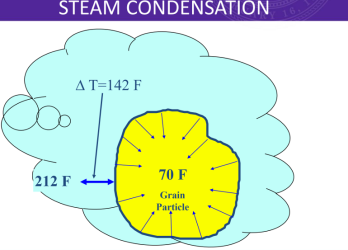
· Goal: To push cool air through the grain mass, cooling it down in layers from the bottom up and prevent condensation (which causes spoilage).
2. Target a “Temperature Front”:
· Don’t try to cool the entire silo at once. Cool it in sections.
· Run aeration until you can feel a distinct temperature change (the “front”) at the top of the grain. Then stop.
· Once the entire mass has equilibrated, repeat the process to push the front further, aiming for a final grain temperature of <15°C (60°F) for long-term storage.
3. Prioritize Aeration After Filling:
· The most critical time for aeration is immediately after filling the silo, especially if the maize is still warm. Run fans continuously for the first 24-48 hours if outside conditions are favorable (cool and dry) to remove the initial heat and moisture.
4. Monitor Religiously:
· Use temperature cables to create a “temperature map” of your silo. Look for any hotspots (a temperature rise of >5°C above the surrounding area) which are the first sign of spoilage.
· Simple Check: If you smell musty air or see condensation on the roof when you open the hatch, you need to aerate immediately.
5. Manage Fines:
· Maize kernels and broken particles (“fines”) settle in the center of the silo when filled. This area is densely packed and has less airflow, making it a prime spot for spoilage.
· Use a grain spreader or distributor during filling to evenly distribute the fines throughout the silo, preventing a dense central core.
Quick Experience-Based Tips:
· Winter Storage: In cold climates, you can cool maize to near freezing. This dramatically halts mold and insect activity.
· Summer Challenge: Aeration is hardest in hot, humid weather. Run fans only during the coolest, driest parts of the day (e.g., early morning).
· Fan Runtime: Aeration is not about drying; it’s about cooling. Short, frequent cycles based on temperature are far more effective and efficient than continuous runtime in unsuitable weather.
In short: Focus on using aeration to manage grain temperature, not moisture, and always errKey Practical Aeration Practices:
1. Aerate Based on Temperature, Not a Schedule:
· The Rule: Run aeration fans when the outside air temperature is at least 5-6°C (10-12°F) COOLER than the grain temperature.
· Goal: To push cool air through the grain mass, cooling it down in layers from the bottom up and prevent condensation (which causes spoilage).
2. Target a “Temperature Front”:
· Don’t try to cool the entire silo at once. Cool it in sections.
· Run aeration until you can feel a distinct temperature change (the “front”) at the top of the grain. Then stop.
· Once the entire mass has equilibrated, repeat the process to push the front further, aiming for a final grain temperature of <15°C (60°F) for long-term storage.
3. Prioritize Aeration After Filling:
· The most critical time for aeration is immediately after filling the silo, especially if the maize is still warm. Run fans continuously for the first 24-48 hours if outside conditions are favorable (cool and dry) to remove the initial heat and moisture.
4. Monitor Religiously:
· Use temperature cables to create a “temperature map” of your silo. Look for any hotspots (a temperature rise of >5°C above the surrounding area) which are the first sign of spoilage.
· Simple Check: If you smell musty air or see condensation on the roof when you open the hatch, you need to aerate immediately.
5. Manage Fines:
· Maize kernels and broken particles (“fines”) settle in the center of the silo when filled. This area is densely packed and has less airflow, making it a prime spot for spoilage.
· Use a grain spreader or distributor during filling to evenly distribute the fines throughout the silo, preventing a dense central core.Quick Experience-Based Tips:
· Winter Storage: In cold climates, you can cool maize to near freezing. This dramatically halts mold and insect activity.
· Summer Challenge: Aeration is hardest in hot, humid weather. Run fans only during the coolest, driest parts of the day (e.g., early morning).
· Fan Runtime: Aeration is not about drying; it’s about cooling. Short, frequent cycles based on temperature are far more effective and efficient than continuous runtime in unsuitable weather.In short: Focus on using aeration to manage grain temperature, not moisture, and always err
-
Eggcelent
-

Shubham Dwivedi
MemberOctober 15, 2025 at 10:07 am in reply to: How might soy affect thyroid function?Thank u
-

if the active ingredient doesnt work against each other,there wont be issue.however its preferably to use one at time to evaluate the reaction.
-

Are layer requirements metioned here for particular breed, like Broielr specifications says for Cobb
-

Conditioning is the pre-pelleting process that prepares mash feed for optimal pellet formation. It hinges on three core factors:
⏱️ Time
-
Conditioner Length: Longer conditioners allow more residence time for heat and moisture penetration.
-
Conditioner Speed: Slower RPM increases retention time but may affect throughput.
-
Pick Setup: Influences mixing intensity and flow resistance—critical for uniform conditioning.
💧 Moisture
-
Steam: Primary source of moisture and heat. Quality (dry vs. wet steam) affects conditioning efficiency.
-
Water: Sometimes added to adjust moisture levels, especially when steam alone is insufficient.
🔥 Heat
-
Steam again: Dual role—moisture carrier and heat source. Target temperature typically ranges from 75–85°C depending on formulation and species.
-
-

well explained. Thanks