 Member
 Lina Paola Pardo Quevedo
MemberForum Replies Created
-

How can the use of variable frequency drives (VFDs) enhance energy efficiency in feed milling?
-
What role does equipment selection play in reducing energy consumption?
-
How can the design of a feed mill impact energy efficiency?
-
What are the primary energy-consuming processes in feed milling?
-

High morbidity rate percentage.
High mortality rate if not checked or control early.
Poor feeds digestion and absorption.
Poor feeds conversion ratio.
Poor growth rate in growing pullets and Broilers.
Poor egg production in layers.
High cost of treatment of infected shed.
-

he most frequently detected, and of concern globally, are aflatoxin B1 (AFB1), aflatoxin B2 (AFB2), aflatoxin G1 (AFG1), and aflatoxin G2 (AFG2); fumonisins (FBs); trichothecenes (for example, deoxynivalenol (DON) and T-2 toxin (T-2)); and ochratoxin A (OTA) [10].
-
Food processing can cause losses of important nutrients. Blanching, pasteurization, heat sterilization, evaporation, extrusion, dehydration, baking, frying, and chilling/freezing can all result in losses of water-soluble vitamins, vitamin C, carotenoids, and amino acids like lysine.
-
Choosing a yeast-based or enzymatic mycotoxin binder requires careful consideration of several factors, including heat stability, yeast type, and other relevant properties. Heat stability is crucial because many feed processing steps involve heat, and the binder must retain its efficacy after these processes. The specific yeast type and its associated characteristics, like the presence of β-glucans and mannan oligosaccharides, also play a vital role in the binder’s effectiveness.
-
By improving forage digestibility and energy intake, molasses supplementation helps maintain cattle body condition, promotes growth, and supports milk production in dairy cows, even during periods of forage scarcity.
-

Reduced growth and production poor feed absorption
-
Feed safety, in the context of animal nutrition, <mark>refers to the measures taken to ensure that animal feed is free from harmful substances that could negatively impact animal health, productivity, and the safety of animal-derived products for human consumption</mark>. It’s crucial because contaminated feed can lead to reduced animal health, decreased productivity (e.g., lower milk or egg production), and even pose risks to human health through the food chain.
-
Feed contamination can significantly impact both animal and human health by <mark>introducing harmful substances like pathogens, toxins, or residues into the food chain</mark>. This can lead to a range of issues, including foodborne illnesses, reduced productivity in animals, and potential long-term health problems like cancer.
-
Humidity can be measured using various methods, including <mark>hygrometers (like hair hygrometers and electronic hygrometers), the psychrometric method (using wet and dry bulb thermometers), and the dew point method</mark>, which measures the temperature at which condensation occurs. Additionally, some techniques involve measuring changes in electrical properties or the absorption of electromagnetic radiation.
-
good biosecurity measures should be put in place and preventive measures
-

⚡ Sudden Death Syndrome (Flip-Over / Acute Death Syndrome) – Key Points
-
Affects fast-growing male broiler chickens typically between 21–28 days of age.
-
Incidence rate ranges from 1.5%–2.5% in commercial flocks.
-
Birds appear healthy, well-fleshed, and actively feeding prior to sudden collapse.
-
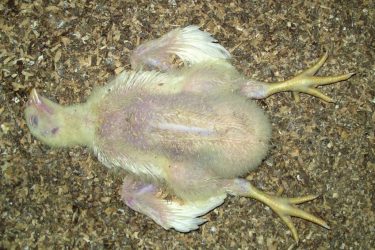
Death occurs rapidly—within 1–2 minutes, often with birds found dead on their backs.
-
Known as “flip-over” due to the posture at death: wings outstretched, legs extended.
-
Gross pathology is minimal; post-mortem heart clots are likely incidental.
-
Ventricles are usually empty, and lung edema is typically positional (gravity-induced).
-
No specific diagnostic markers; condition diagnosed by ruling out other causes.
-
Precipitating factor is rapid growth, not clearly linked to specific nutrients or ingredients.
-
Higher prevalence noted when using ionophore anticoccidials or diets high in available carbohydrates (e.g., glucose).
-
Can be experimentally induced by lactate intubation, with dietary composition affecting onset timing.
🛡️ Prevention & Management Strategies
-
Moderate early growth rate to reduce metabolic stress.
-
Use low nutrient-dense diets or implement physical feed restriction.
-
Adjust daylength to limit activity and reduce cardiac workload.
-
Target 10–15% reduction in body weight by day 20, allowing full compensatory growth by days 42–49.
-
Economic feasibility dictates extent of growth suppression.
What are the common cause of SDS in broilers?
-