
 Member
 Lina Paola Pardo Quevedo
MemberForum Replies Created
-

insulation of roof and walls,
foggers,
ventilation management,
reduce stocking density,
feeding in cool hours,
high density diet with low heat production
-

There is no single “expected shrinkage percentage” for corn stored under these conditions because the total loss is dynamic and depends on multiple factors. The high temperatures (35–49°C) and high humidity (60–70%) are not safe storage conditions for corn and will lead to rapid deterioration and quality loss, making any calculation of a stable shrinkage percentage impossible. The overall loss will be a combination of moisture shrink and significant dry matter loss from mold and respiration
-
myth:
white eggs are less beneficial than the brown eggs.
-
excellent effort to highlight the significance of egg. Egg is the good and cheaper source of protein, vitamins, minerals etc.
-
Water pollution, disease outbreak, pesticide & algal bloom
-

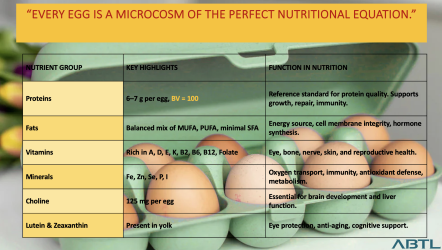
On 10th of October we celebrated egg!
The richness, the nutritional attributes and the eggciting wonders that it can do in by passing malnutrition in developing Asian and African countries. Here is a glimpse of egg nutrition in a go!
-

Udumula Kranthi kumar
MemberOctober 14, 2025 at 4:20 am in reply to: Moisture & Aeration Management at SiloTo remove moisture from grains, natural drying is definitely not the best method: too long times, risks of product loss and uneven drying make this process almost counterproductive. Much more advantageous is to use grain dryers – mobile or tower – which allow optimal and rapid drying
-

Rotimi
MemberOctober 13, 2025 at 10:44 pm in reply to: Role & Importance of Smart Sensors, AI, IoT, & Mobile Dashboards in AquacultureSmart sensors, AI, IoT, and mobile dashboards play crucial roles in aquaculture, transforming the industry’s efficiency, sustainability, and productivity. Here are their key roles and importance:
*Smart Sensors:*
– *Real-time monitoring*: Track water quality parameters like temperature, pH, and dissolved oxygen levels.
– *Early detection*: Identify changes in environmental parameters, enabling prompt action to prevent diseases and maintain optimal conditions.
– *Data collection*: Provide accurate and reliable data for informed decision-making.
*AI (Artificial Intelligence):*
– *Predictive analytics*: Analyze historical data and current trends to predict future outcomes, such as growth rates, feed requirements, and potential disease risks.
– *Disease detection*: Identify early signs of diseases or health issues in fish, enabling timely interventions.
– *Feed optimization*: Determine optimal feeding strategies based on fish growth, feed intake, and environmental conditions.
*IoT (Internet of Things):*
– *Remote monitoring*: Enable farmers to monitor and control aquaculture operations remotely, reducing the need for on-site visits.
– *Data transmission*: Facilitate real-time data transmission from sensors to cloud platforms for analysis and decision-making.
– *Automation*: Integrate with automation systems to optimize water quality parameters, feeding schedules, and other operational aspects.
*Mobile Dashboards:*
– *Real-time insights*: Provide farmers with real-time insights into aquaculture operations, enabling informed decision-making.
– *Remote access*: Allow farmers to access and manage aquaculture operations from anywhere, at any time.
– *Timely alerts*: Send notifications and alerts to farmers about potential issues, ensuring prompt action.
The importance of these technologies in aquaculture includes:
– *Improved productivity*: Optimized feeding strategies, better water quality management, and reduced disease outbreaks contribute to increased productivity.
– *Sustainability*: Efficient resource utilization, reduced waste, and improved environmental management promote sustainable aquaculture practices.
– *Cost savings*: Reduced feed waste, improved feed conversion ratios, and optimized energy consumption lead to cost savings.
– *Enhanced decision-making*: Data-driven insights enable farmers to make informed decisions, reducing the risk of errors and improving overall efficiency.Smart sensors, AI, IoT, and mobile dashboards play crucial roles in aquaculture, transforming the industry’s efficiency, sustainability, and productivity. Here are their key roles and importance:
*Smart Sensors:*
– *Real-time monitoring*: Track water quality parameters like temperature, pH, and dissolved oxygen levels.
– *Early detection*: Identify changes in environmental parameters, enabling prompt action to prevent diseases and maintain optimal conditions.
– *Data collection*: Provide accurate and reliable data for informed decision-making.*AI (Artificial Intelligence):*
– *Predictive analytics*: Analyze historical data and current trends to predict future outcomes, such as growth rates, feed requirements, and potential disease risks.
– *Disease detection*: Identify early signs of diseases or health issues in fish, enabling timely interventions.
– *Feed optimization*: Determine optimal feeding strategies based on fish growth, feed intake, and environmental conditions.*IoT (Internet of Things):*
– *Remote monitoring*: Enable farmers to monitor and control aquaculture operations remotely, reducing the need for on-site visits.
– *Data transmission*: Facilitate real-time data transmission from sensors to cloud platforms for analysis and decision-making.
– *Automation*: Integrate with automation systems to optimize water quality parameters, feeding schedules, and other operational aspects.*Mobile Dashboards:*
– *Real-time insights*: Provide farmers with real-time insights into aquaculture operations, enabling informed decision-making.
– *Remote access*: Allow farmers to access and manage aquaculture operations from anywhere, at any time.
– *Timely alerts*: Send notifications and alerts to farmers about potential issues, ensuring prompt action.The importance of these technologies in aquaculture includes¹ ² ³:
– *Improved productivity*: Optimized feeding strategies, better water quality management, and reduced disease outbreaks contribute to increased productivity.
– *Sustainability*: Efficient resource utilization, reduced waste, and improved environmental management promote sustainable aquaculture practices.
– *Cost savings*: Reduced feed waste, improved feed conversion ratios, and optimized energy consumption lead to cost savings.
– *Enhanced decision-making*: Data-driven insights enable farmers to make informed decisions, reducing the risk of errors and improving overall efficiency. -

For maize silos, feed mills follow aeration practices that focus on cooling, drying, and preventing spoilage by using fans to move air through the grain at specific times. Key practices include cleaning the grain before storage, ensuring uniform grain distribution in the silo, and aerating when ambient humidity is low to maintain a grain temperature between 2 °C and 10°C to reduce mold and pest growth. Advanced systems may use humidity and temperature sensors with automated fan controls, and some facilities operate the fans for short, timed cycles (e.g., 10-15 minutes every 2-3 hours) to allow air to reach equilibrium after fumigation
-
For industrial or large-scale poultry sheds, spray foam insulation offers superior, gap-filling, and quick installation, while fiberglass batts are a cost-effective and durable option for new construction. For smaller coops or do-it-yourself projects, rigid foam boards are effective and easier to install, though can be difficult to cut.
-

The best way to insulate is , thermocol sheets in control houses .
In open houses you can use varieties of thing , like mud with rice straws etc..
-
what are best methods to insulate the roof and walls of poultry house/shed?